Fort Mill Pedestrian Accident Lawyer
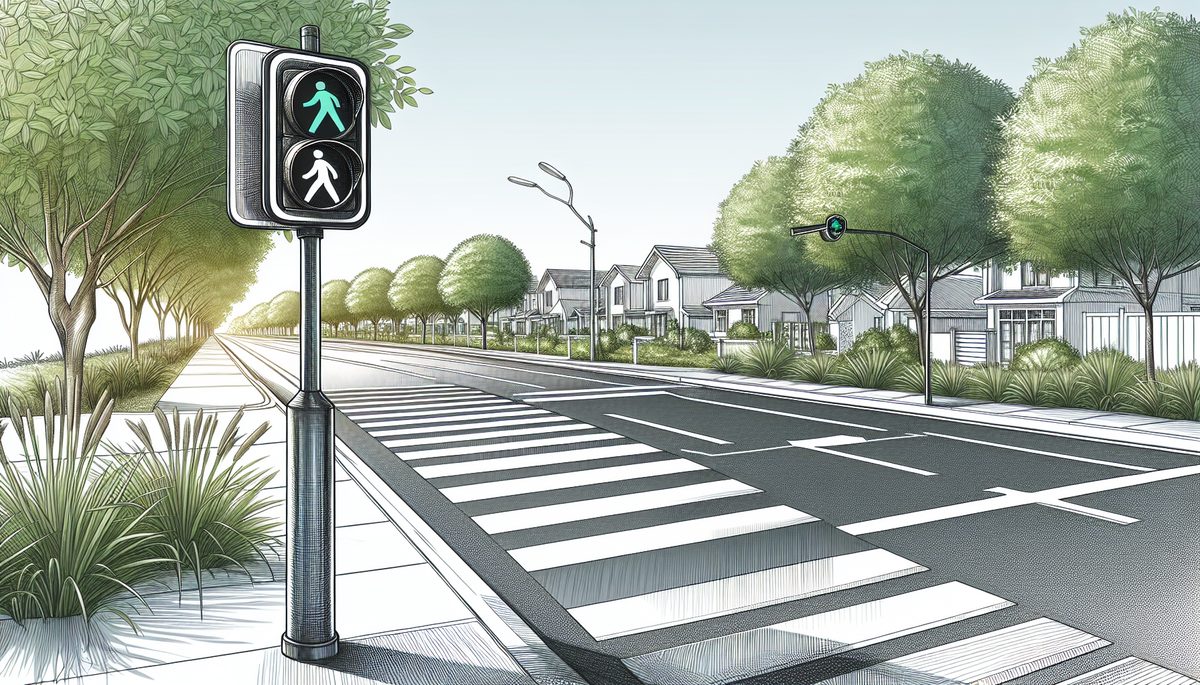
Fort Mill has transformed from a quiet York County mill town into one of the fastest-growing communities in the entire Southeast. New subdivisions, shopping centers, and mixed-use developments sprout up monthly, but the pedestrian infrastructure has not kept pace with the explosive residential growth. Streets that carried light traffic five years ago now see thousands of daily vehicle trips through neighborhoods where families walk their children to school, jog along roadsides, and attempt to cross roads that were widened for cars but left without crosswalks, sidewalks, or adequate lighting. South Carolina’s comparative negligence framework gives injured Fort Mill pedestrians a significant legal advantage, but preventing injuries in the first place requires infrastructure that the town has been slow to build.
The Law Office of Ryan P. Duffy offers free pedestrian accident evaluations for anyone struck by a vehicle in Fort Mill. We pair injured pedestrians with trial attorneys who know South Carolina law and York County courts.
Pedestrian Hazards in Fort Mill’s Rapidly Developed Subdivisions
Fort Mill’s residential development boom has created neighborhoods where thousands of families live but walking safely is nearly impossible. Large subdivisions along Dobys Bridge Road, Pleasant Road, and Springfield Parkway connect to commercial areas and schools through roads that developers widened for vehicle capacity without adding pedestrian accommodations. Residents who want to walk to a grocery store, pharmacy, or neighbor’s house face roads with no sidewalks, no shoulders, and traffic moving at 45 miles per hour.
The problem is systemic. Developers build homes with driveways and garages, assuming every trip will be made by car. The roads connecting these subdivisions to schools and shopping areas are designed for vehicle throughput. Sidewalks, when they exist, often end at the subdivision boundary, dropping the pedestrian onto a road shoulder or directly into the travel lane. Children walking or biking to Fort Mill Elementary, Pleasant Knoll Middle, or Nation Ford High face these gaps daily.
Construction vehicle traffic adds another layer of danger. Active development sites generate heavy truck traffic on residential streets, including concrete trucks, dump trucks, and flatbed trailers carrying building materials. These vehicles have significant blind spots and limited stopping ability. Pedestrians walking along roads adjacent to construction sites encounter vehicles that cannot see them and cannot stop quickly, a combination that produces serious injuries.
Street lighting in newer Fort Mill subdivisions is often inadequate. Some developments were built with minimal lighting infrastructure, leaving roads and intersections dark after sunset. Pedestrians walking in these areas at dusk or after dark are functionally invisible to approaching drivers. The absence of lighting is a design choice made during development, and the developer, homeowners association, or municipality that approved the development plan may share responsibility when a pedestrian is struck in an area that should have been lit.

Carowinds and Entertainment District Pedestrian Safety
The Carowinds theme park complex straddles the NC-SC border near Fort Mill, generating enormous volumes of pedestrian and vehicle traffic during its operating season from spring through fall. The park’s parking lots, the approach roads along Carowinds Boulevard, and the surrounding entertainment and hospitality properties create a concentrated zone of pedestrian danger that spikes during summer weekends and special events.
Theme park parking lots are among the most hazardous environments for pedestrians. Families with young children walk between rows of parked cars while drivers cruise the aisles searching for spots. The drivers are focused on finding an opening, often making sudden turns without checking for pedestrians. Children at Carowinds are excited, distracted, and prone to running between cars. The combination of distracted drivers and unpredictable child pedestrians produces a steady flow of parking lot injuries during the season.
Gold Hill Road, which provides primary access to Carowinds and the surrounding commercial district, carries heavy traffic volumes during peak times. Pedestrians walking between hotels, restaurants, and the park entrance must cross this road in an environment where driver patience is thin and pedestrian infrastructure is limited. The adjacent development along Gold Hill Road, including restaurants and retail properties, generates additional pedestrian activity on roads designed for high vehicle throughput.
Liability for Carowinds-area pedestrian accidents can extend beyond the driver to the venue itself. The theme park has a duty to provide reasonably safe pedestrian routes within its parking facilities and to manage traffic flow in a way that protects people on foot. If the park’s traffic management plan fails to separate pedestrian and vehicle flows, provides inadequate lighting in parking areas, or directs pedestrians along dangerous paths, the park operator may share liability. Hotels and restaurants in the entertainment district may face similar premises liability exposure for unsafe pedestrian conditions on their properties.
South Carolina Law and Fort Mill Pedestrian Claims
Fort Mill pedestrian cases benefit from South Carolina’s comparative negligence system, which provides substantially more protection than the law across the state line in North Carolina.
Modified Comparative Negligence in Fort Mill
Under South Carolina’s modified comparative negligence standard with a 51 percent bar, a pedestrian can recover compensation even if partly at fault. If a Fort Mill pedestrian was crossing a road outside a crosswalk and was struck by a speeding driver, a jury might assign the pedestrian 20 percent fault for jaywalking and the driver 80 percent for speeding. The pedestrian recovers 80 percent of their total damages. Under North Carolina’s contributory negligence rule, that same pedestrian receives nothing because their 20 percent fault completely bars recovery.
Developer and HOA Liability
Fort Mill’s development patterns create liability exposure for developers and homeowners associations that goes beyond typical pedestrian accident claims. Under South Carolina premises liability law, a developer who designs a residential community without adequate pedestrian infrastructure may bear responsibility for pedestrian injuries that result from the design deficiency. If an HOA assumed maintenance responsibility for streets and sidewalks within a community and failed to maintain them in a safe condition, the HOA may also face liability.
Filing Deadlines and Insurance Protections
South Carolina provides a 3-year statute of limitations for personal injury and wrongful death claims. Your uninsured/underinsured motorist (UM/UIM) coverage applies when you are injured as a pedestrian, providing essential protection in hit-and-run cases or when the at-fault driver’s insurance limits are insufficient. SC law requires minimum liability coverage of 25/50/25, but serious pedestrian injuries regularly exceed these minimums.
Hit by a Vehicle? Free Case Evaluation
The Law Office of Ryan P. Duffy evaluates pedestrian and bicycle accident cases and connects you with specialized trial attorneys at no additional cost.
Call us at 704-741-9399 or contact us online to get started.
Related Pages
Explore nearby pages for this city and practice area.