
Dog Bite Injury Lawyer in North Carolina and South Carolina
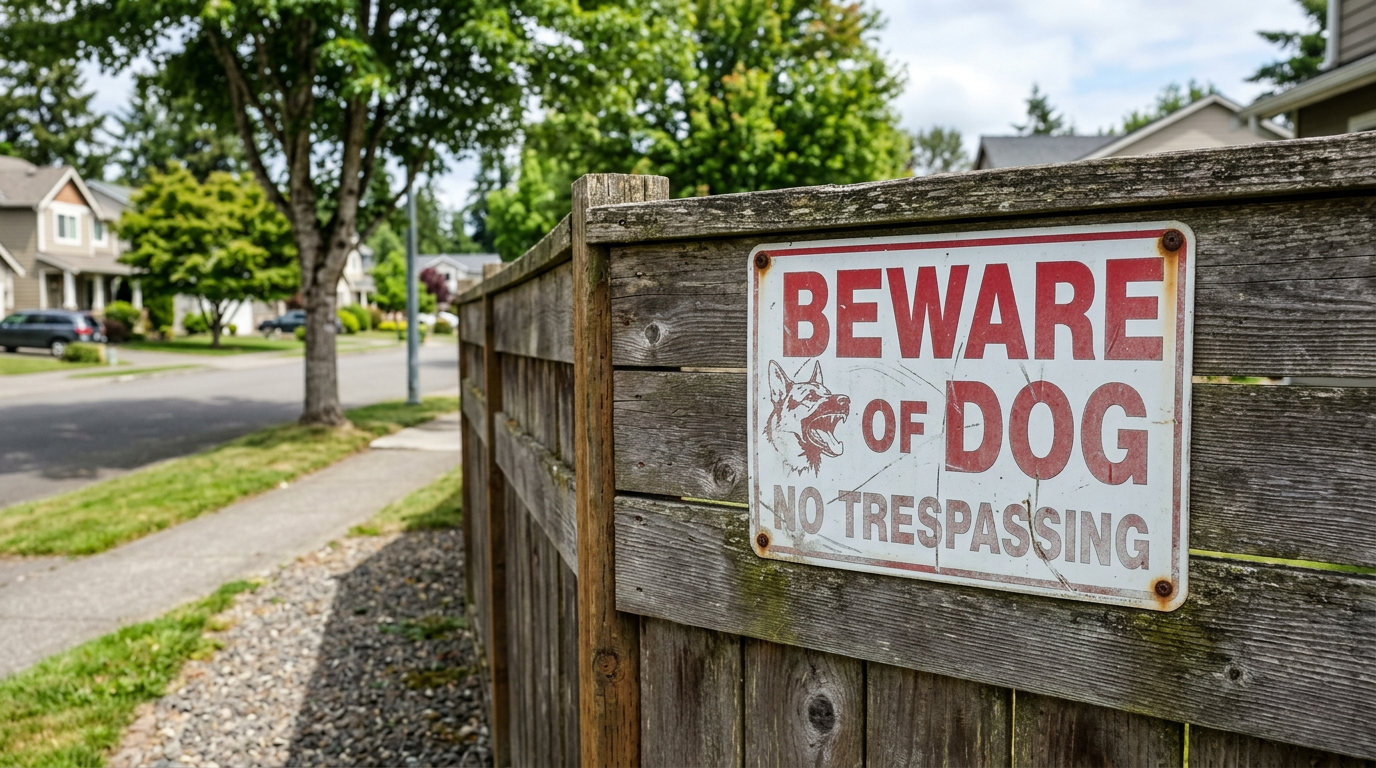
A dog attack can change your life in an instant. One moment you are walking through your neighborhood, checking your mail, or visiting a friend’s home, and the next you are dealing with deep puncture wounds, torn flesh, emergency surgery, permanent scarring, and the kind of psychological fear that stays with you every time you see a dog on the street. Dog bites are not minor incidents. They are serious personal injuries that deserve serious legal attention.
North Carolina and South Carolina take different legal approaches to dog bite liability, and both states have nuances that most people do not understand until they are in the middle of an insurance fight. North Carolina combines a strict liability statute for certain dog attacks with common law negligence principles and the harshest contributory negligence defense in the country. South Carolina relies primarily on negligence and the one-bite rule, but applies a more forgiving comparative fault system that gives injured people a better chance at recovery even when the facts are complicated.
Attorney Ryan P. Duffy represents dog bite victims across both states. As a former insurance defense attorney, he understands how homeowner’s insurance companies evaluate animal attack claims, what defenses they raise, and what evidence they need to see before they will pay fair compensation. That perspective gives his clients a genuine strategic advantage.
This page is a comprehensive guide to dog bite law in North Carolina and South Carolina. It covers your legal rights, the statutes that apply, the types of injuries these attacks cause, how insurance claims work, and the practical steps you should take to protect yourself and your family after a dog attack.
Attacked by a Dog? You Have Legal Rights.
North Carolina Dog Bite Law: Two Paths to Recovery
North Carolina provides two separate legal theories for dog bite victims: strict liability under statute and common law negligence. Understanding both is important because the facts of your case determine which theory applies and how strong your claim will be.
Strict Liability Under N.C. Gen. Stat. 67-4.4
North Carolina’s strict liability framework for dog bites is found in N.C. Gen. Stat. 67-4.4, which addresses injuries caused by “dangerous dogs.” Under this statute, the owner of a dog that has been previously declared dangerous by animal control is strictly liable for any injuries the dog causes to people. Strict liability means you do not need to prove the owner was negligent. You only need to prove that the dog was previously declared dangerous and that it caused your injuries.
However, the strict liability path has a prerequisite: the dog must have already been classified as dangerous under N.C. Gen. Stat. 67-4.1. A dog is “dangerous” under this statute if it has killed or inflicted severe injury on a person, or if it is determined by the person’s county or municipality to be potentially dangerous because it has engaged in behavior that would cause a reasonable person to believe the dog poses a serious threat of physical harm.
Strict Liability for Dogs Running at Large Under N.C. Gen. Stat. 67-4.4
There is a second strict liability provision in North Carolina that many attorneys overlook. Under N.C. Gen. Stat. 67-4.4, a dog owner is also strictly liable when their dog is running at large at night (not on the owner’s property and not under the owner’s control) and causes injury. This applies regardless of whether the dog was previously declared dangerous. If a dog is roaming free at night and attacks someone, the owner is strictly liable. Period.
Additionally, N.C. Gen. Stat. 67-12 provides that any person may kill a dog found running at large off the owner’s premises at night if that dog is not under the control of any person. While this statute is primarily about the right to protect property and livestock, it reflects the broader principle in North Carolina law that dogs running at large are the owner’s responsibility.
Common Law Negligence: The Traditional One-Bite Framework
Outside the strict liability statutes, North Carolina also recognizes common law negligence claims against dog owners. Under this theory, you must prove that the owner knew or should have known the dog was dangerous. Evidence of prior bites, aggressive behavior, lunging at people, or a history of complaints to animal control establishes this knowledge.
This is sometimes called the “one-bite rule,” though that name is misleading. The dog does not get a literal free bite. The rule is about the owner’s knowledge of the dog’s dangerous propensities. If the dog has growled at neighbors, charged at joggers, or shown aggressive behavior toward children, the owner has notice of the danger, even if no actual bite has occurred.
Negligence claims can also be based on violations of local leash laws and animal control ordinances. Mecklenburg County, Gaston County, and most municipalities in the Charlotte metro area have leash laws requiring dogs to be restrained when off the owner’s property. Violating a leash law is negligence per se in many cases, meaning the violation itself establishes the negligence element of your claim.
South Carolina Dog Bite Law: Negligence and the One-Bite Rule
South Carolina does not have a comprehensive dog bite strict liability statute like North Carolina’s dangerous dog framework. Instead, South Carolina relies primarily on common law negligence and the one-bite rule.
Under South Carolina’s one-bite rule, a dog owner is liable if they knew or should have known the dog had dangerous tendencies. Prior bites, aggressive behavior, complaints from neighbors, and violations of local leash laws all serve as evidence of the owner’s knowledge.
S.C. Code Ann. 47-3-110: Dogs at Large
South Carolina does provide a statutory basis for liability through its dog-at-large statute. Under S.C. Code Ann. 47-3-110, it is unlawful for a dog owner to allow their dog to run at large. A violation of this statute can serve as evidence of negligence per se, meaning the violation itself establishes that the owner was negligent. Combined with evidence that the dog caused injury while running at large, this can build a strong liability case.
South Carolina’s Comparative Fault Advantage
Here is where South Carolina law provides a significant advantage for dog bite victims. South Carolina follows modified comparative negligence with a 50% bar, codified at S.C. Code Ann. 15-38-15. If you were partially at fault for the attack (for example, the insurance company argues you were trespassing or provoking the dog), your compensation is reduced by your percentage of fault, but you can still recover as long as you are less than 50% at fault.
Compare this to North Carolina’s pure contributory negligence standard under N.C. Gen. Stat. 1-139, where any degree of fault on your part, even 1%, can bar your recovery entirely. In a dog bite case, this means the insurance company only needs to convince a jury that you did something, anything, that contributed to the attack. Reaching toward the dog, walking through the owner’s unfenced yard, or failing to retreat when the dog showed warning signs could all be argued as contributory negligence.
For people in the Charlotte metro area who live near the state line, the state where the attack occurred determines which fault system applies. If you were bitten in Fort Mill, Rock Hill, or Lancaster, South Carolina’s more favorable comparative fault rules protect you. If the attack happened in Charlotte, Gastonia, or Belmont, North Carolina’s contributory negligence rule applies.
The North Carolina Dangerous Dog Statute: N.C. Gen. Stat. 67-4.1 Through 67-4.5
North Carolina has a comprehensive dangerous dog statutory framework that operates alongside common law remedies. Understanding this framework matters because it can significantly strengthen your claim if the dog that attacked you had a documented history of dangerous behavior.
What Makes a Dog “Dangerous” Under NC Law
Under N.C. Gen. Stat. 67-4.1(a)(1), a “dangerous dog” is any dog that:
- Has killed or inflicted severe injury on a person, or
- Is determined by the person’s county or municipality to be potentially dangerous because it has engaged in behavior that would cause a reasonable person to believe the dog poses a serious threat
“Severe injury” is defined as any physical injury that results in broken bones, disfiguring lacerations requiring multiple sutures or cosmetic surgery, or hospitalization.
Owner Obligations After a Dangerous Dog Declaration
Once a dog is declared dangerous, the owner must comply with specific requirements under N.C. Gen. Stat. 67-4.2, including:
- Registering the dog as dangerous with the local animal control authority
- Maintaining the dog in a proper enclosure (a securely enclosed and locked pen or structure)
- Posting “Dangerous Dog” signs on the property
- Keeping the dog on a leash and muzzle when off the owner’s property
- Maintaining at least $100,000 in liability insurance or a surety bond
- Notifying animal control if the dog escapes, is sold, given away, or dies
Failure to comply with any of these requirements is a Class 1 misdemeanor. If a dangerous dog that is not properly confined attacks and kills a person, the owner can be charged with a Class F felony under N.C. Gen. Stat. 67-4.3. This criminal liability exists independently of the civil claim for damages.
How the Dangerous Dog Declaration Helps Your Civil Case
If the dog that attacked you was previously declared dangerous, your case becomes significantly stronger. The declaration establishes that the owner had explicit notice of the dog’s dangerous propensities. It eliminates any argument that the owner did not know the dog was aggressive. And it triggers the strict liability framework, removing the need to prove negligence.
Even if the dog was not formally declared dangerous, the existence of prior incidents (reported bites, animal control complaints, aggressive behavior toward neighbors) builds the knowledge element of a negligence claim. Your attorney should investigate the dog’s history thoroughly, including records from animal control, prior complaints, veterinary records, and neighborhood witnesses.
Bitten by a Dog in NC or SC? Know Your Rights.
Former insurance defense attorney Ryan Duffy knows how insurers fight dog bite claims. Free consultation.
Common Dog Bite Injuries and Their Long-Term Impact
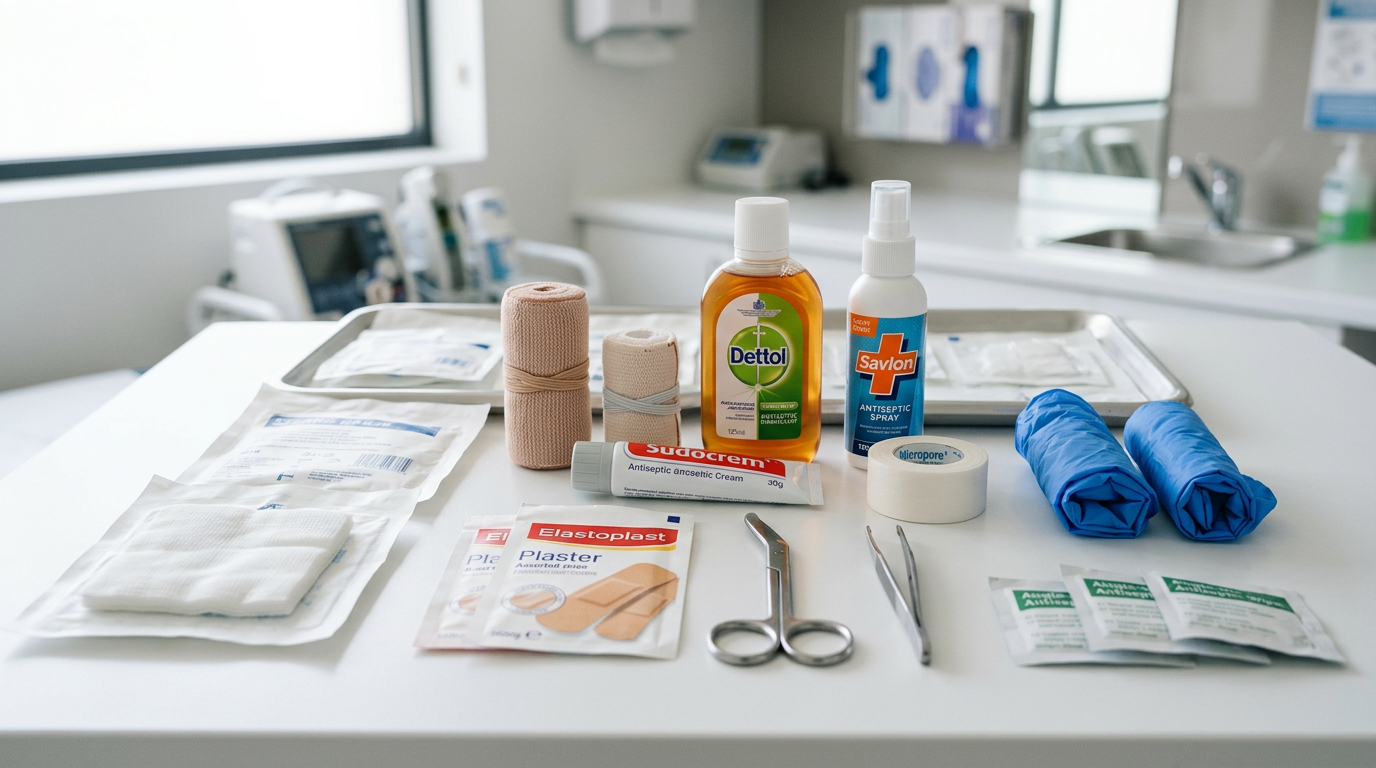
Dog attacks cause injuries that are far more severe and complex than most people expect. The average large-breed dog can exert 200 to 450 pounds per square inch of bite force. The tearing and shaking motion that dogs instinctively use creates devastating tissue damage that goes well beyond a simple puncture wound.
Puncture Wounds and Deep Lacerations
Dog bites create deep puncture wounds that drive bacteria far below the skin surface. The tearing action of the bite causes irregular lacerations that are difficult to close and prone to scarring. Large breed attacks can involve crush injuries that damage muscle, tendons, nerves, and blood vessels underneath intact skin, making the internal damage far worse than the external wound suggests.
Serious Infections
Dog mouths harbor dangerous bacteria including Pasteurella, Staphylococcus, Streptococcus, Capnocytophaga, and anaerobic organisms. The deep puncture nature of dog bites creates an ideal environment for bacterial growth by sealing bacteria beneath the skin where oxygen cannot reach. Infection rates for dog bites range from 15% to 20%, significantly higher than most other types of traumatic wounds.
Infections can spread rapidly to surrounding tissue (cellulitis), into the bone (osteomyelitis), or into the bloodstream (sepsis). Sepsis is a life-threatening condition that can lead to organ failure and death. Victims who are immunocompromised, elderly, or very young face even higher infection risks.
Rabies exposure, while rare in domesticated dogs in the United States, remains a serious concern. If the attacking dog’s vaccination status is unknown, the bite victim may need to undergo post-exposure prophylaxis (PEP), which involves a series of injections over 14 days. The cost of PEP treatment can exceed $10,000.
Nerve Damage and Loss of Function
The force of a dog bite can sever or crush nerves, causing numbness, tingling, chronic pain, weakness, or permanent loss of function. Hand and arm bites are particularly vulnerable to nerve damage because of the concentration of nerves close to the skin surface. A dog bite to the hand can result in permanent loss of grip strength, reduced fine motor control, and inability to perform work tasks that require manual dexterity.
Facial Injuries and Permanent Disfigurement
Facial dog bite injuries are among the most devastating, both physically and psychologically. The face has thin skin, numerous nerves, and complex musculature that is extremely difficult to reconstruct perfectly. Dog bites to the face can result in:
- Loss of tissue that cannot be replaced
- Damage to the nose, ears, lips, and eyelids that requires multiple reconstructive surgeries
- Nerve damage causing facial numbness or paralysis
- Scarring that is visible in every social interaction for the rest of the victim’s life
- Damage to tear ducts, salivary glands, and facial bones
Children are disproportionately affected by facial dog bites because their height places their faces at the same level as most dogs. According to the American Society of Plastic Surgeons, children account for more than half of all dog bite victims, and the majority of pediatric dog bites involve the face and neck.
Scarring and Disfigurement Damages
North Carolina and South Carolina both allow recovery for permanent scarring and disfigurement as a separate category of damages. The value of scarring claims depends on the location, size, and visibility of the scars, as well as the victim’s age, occupation, and the impact on their self-image and social interactions.
Young victims with facial scarring face decades of living with visible reminders of the attack. Juries in both North Carolina and South Carolina have awarded substantial damages for disfigurement, particularly when the scarring affects the face, hands, or other exposed areas.
Reconstructive Surgery
Many dog bite victims require multiple reconstructive surgeries over months or years. Initial emergency surgery addresses the acute wound, but subsequent procedures are often needed for scar revision, tissue grafting, nerve repair, and cosmetic improvement. Children who suffer facial bites may need additional surgeries as they grow, because scars do not grow proportionally with the child’s face.
The cost of reconstructive surgery is a major component of dog bite damages. A single scar revision procedure can cost $5,000 to $15,000, and many victims need multiple revisions. Complex reconstructions involving tissue flaps, skin grafts, or microsurgery can cost $50,000 to $100,000 or more per procedure.
Psychological Trauma: PTSD, Anxiety, and Behavioral Changes
The psychological impact of a dog attack is often as severe as the physical injuries. Post-traumatic stress disorder (PTSD) is extremely common among dog bite victims, with studies showing that up to 50% of children bitten by dogs develop symptoms of PTSD.
Common psychological effects include:
- Cynophobia (fear of dogs): Intense anxiety or panic attacks when encountering dogs in any setting, which can severely limit daily activities in a society where dogs are everywhere.
- Generalized anxiety disorder: Persistent worry and hypervigilance, particularly in outdoor settings or unfamiliar environments.
- Sleep disturbances: Nightmares, insomnia, and night terrors related to the attack.
- Avoidance behavior: Refusing to visit friends or family who have dogs, avoiding parks and outdoor areas, and restricting daily routines to minimize the chance of encountering dogs.
- Depression: Related to disfigurement, chronic pain, activity limitations, and the ongoing psychological burden of the attack.
- Behavioral regression in children: Bedwetting, clinginess, tantrums, school refusal, and developmental regression following a dog attack.
These psychological injuries are compensable under North Carolina and South Carolina law. They are real injuries with real impacts on quality of life, and they deserve the same serious treatment as physical wounds.

Who Can Be Held Liable for a Dog Bite?
While the dog’s owner is the most obvious defendant, liability in dog bite cases can extend to other parties depending on the circumstances of the attack.
Dog Owners
The owner is the primary defendant in virtually every dog bite case. Under North Carolina’s strict liability framework, the owner of a previously declared dangerous dog is liable regardless of negligence. Under common law negligence, the owner is liable if they knew or should have known the dog was dangerous. Under both theories, the owner is the starting point.
Landlord Liability
A landlord can be liable for a tenant’s dog attack if the landlord:
- Knew the tenant’s dog was dangerous (through prior complaints, observation of aggressive behavior, or direct notice)
- Had the authority to require the tenant to remove the dog or to evict the tenant
- Failed to take reasonable action to address the known danger
North Carolina courts have recognized landlord liability in dog bite cases where the landlord had actual knowledge of the dog’s dangerous propensities and the ability to address the situation. This is particularly relevant in rental properties, apartment complexes, and mobile home parks where the landlord has ongoing contact with tenants and their animals.
Property Owners and Business Operators
If a dog attack occurs on commercial property, the property owner or business operator may share liability. A restaurant with an outdoor patio that allows dogs, a retail store that permits pets, or a park that fails to enforce leash laws may have liability if a foreseeable dog attack occurs on their premises.
Dog Sitters, Walkers, and Kennels
Anyone who has temporary care, custody, or control of a dog at the time of the attack may be held liable. Dog sitters, professional dog walkers, boarding facilities, grooming businesses, and doggy daycare operations all have a duty to properly restrain and supervise the animals in their care.
Parents of Minor Dog Owners
When a minor owns or has primary responsibility for a dog, the minor’s parents can be held liable for injuries the dog causes. Parental liability is based on the parents’ duty to supervise their child’s activities, including the care and control of family pets.
Homeowner’s Insurance and Dog Bite Claims
The vast majority of dog bite claims are paid through the dog owner’s homeowner’s or renter’s insurance policy. Understanding how these policies work, and their limitations, is critical to recovering fair compensation.
How Homeowner’s Insurance Covers Dog Bites
Standard homeowner’s insurance policies include liability coverage that covers injuries caused by the policyholder’s dog. This coverage typically ranges from $100,000 to $300,000, though many homeowners carry higher limits or umbrella policies that provide additional coverage.
The homeowner’s insurer will assign an adjuster to evaluate your claim, and that adjuster’s job is to pay as little as possible. They will scrutinize the circumstances of the attack, look for defenses (provocation, trespass, contributory negligence), and push for a quick, low-ball settlement.
Breed Exclusions and Restrictions
Many homeowner’s insurance companies exclude coverage for certain dog breeds or impose restrictions. Common breeds that face exclusions or surcharges include:
- Pit bulls and pit bull mixes
- Rottweilers
- German Shepherds
- Doberman Pinschers
- Chow Chows
- Akitas
- Wolf hybrids
If the dog owner’s policy excludes the breed that attacked you, the owner may have no insurance coverage, which means recovery must come from the owner personally. In these cases, investigating other potentially liable parties (landlords, property owners, dog sitters) becomes even more important.
Prior Bite Exclusions
Some homeowner’s policies exclude coverage for dogs that have bitten someone before. If the dog that attacked you had a prior bite history, the owner’s insurance may deny the claim based on this exclusion. Your attorney will review the policy language carefully and explore alternative theories of liability and insurance coverage.
What If the Dog Owner Has No Insurance?
When the dog owner is uninsured (no homeowner’s or renter’s policy), recovering compensation becomes more challenging but is not impossible. The owner can be held personally liable, and assets can be pursued through a judgment. Your attorney will also investigate whether other insurance policies cover the incident, including landlord policies, commercial property coverage, umbrella policies, and the insurance of any other liable party.
Dog Bite Reporting Requirements and the Animal Control Process
Both North Carolina and South Carolina have specific requirements for reporting dog bites and processing dangerous animal complaints.
North Carolina Reporting Requirements
Under N.C. Gen. Stat. 130A-196, any animal bite must be reported to the local health director within 24 hours. The bitten animal (if applicable) or the biting animal must be confined and observed for 10 days for signs of rabies. If the animal cannot be confined, it may be humanely euthanized and tested.
Local animal control agencies in North Carolina handle dangerous dog investigations. When a bite is reported, animal control will investigate the incident, interview witnesses, and determine whether the dog should be declared dangerous. This process creates official records that are valuable evidence in your civil claim.
South Carolina Reporting Requirements
In South Carolina, dog bites must be reported to the local animal control agency or law enforcement. The biting animal is typically quarantined for 10 days for rabies observation. South Carolina’s animal control agencies also investigate dangerous animal complaints and can order dogs to be confined, muzzled, or, in extreme cases, euthanized.
Why Reporting Matters for Your Claim
Reporting the bite to animal control creates an official record of the incident that is independent of your personal account. It triggers an investigation that may uncover prior complaints about the dog. It establishes a timeline. And it may result in a dangerous dog declaration that strengthens the strict liability basis for your claim.
Do not skip this step, even if the dog owner is a friend, neighbor, or family member. The report goes through official channels, and the insurance claim process is separate from the relationship.

Child Dog Bite Injuries: Special Considerations
Children are the most frequent and most severely injured victims of dog attacks. According to the CDC, children between the ages of 5 and 9 have the highest rate of dog bite-related emergency room visits. Children are more vulnerable because of their small size, their tendency to approach dogs at face level, their inability to recognize warning signs of aggression, and their limited ability to defend themselves.
The Nature of Pediatric Dog Bite Injuries
Because of their height, children are most commonly bitten on the face, head, and neck. These injuries tend to be the most severe and the most likely to require reconstructive surgery. A bite to a child’s face can damage growing facial structures, requiring staged reconstructive procedures as the child matures.
Long-Term Psychological Impact on Children
The psychological impact of a dog attack on a child can be profound and long-lasting. Studies published in the Journal of Pediatric Psychology show that children who experience dog attacks have significantly higher rates of PTSD, anxiety disorders, and behavioral problems than their peers. These effects can persist into adulthood if not treated.
Statute of Limitations for Minors
In North Carolina, the statute of limitations for personal injury claims is tolled (paused) for minors until they reach age 18. This means a child bitten at age 5 has until age 21 to file a lawsuit. In South Carolina, the tolling provision similarly extends the filing deadline for minors.
However, the fact that the statute is tolled does not mean you should wait. Evidence is freshest immediately after the attack, and early documentation of injuries, treatment, and psychological impact creates the strongest possible case.
Settlements Involving Minors
In both North Carolina and South Carolina, settlements on behalf of minors must be approved by the court. This is a protective measure designed to ensure the settlement is fair and in the child’s best interest. The court will review the terms of the settlement, the attorney’s fees, and the plan for holding the settlement funds (typically in a structured settlement or court-supervised account) until the child reaches 18.
Punitive Damages in Dog Bite Cases
In cases involving particularly egregious conduct by the dog owner, punitive damages may be available. Punitive damages are designed to punish the wrongdoer and deter similar conduct in the future.
In North Carolina, punitive damages under N.C. Gen. Stat. 1D-15 require clear and convincing evidence of fraud, malice, or willful or wanton conduct. In a animal attack case, punitive damages might be appropriate when:
- The owner knew the dog was dangerous and took no steps to confine or control it
- The dog had previously bitten someone and the owner continued to allow it to roam freely
- The owner violated a dangerous dog order by failing to confine, muzzle, or register the dog
- The owner intentionally sicced the dog on the victim
North Carolina caps punitive damages at the greater of three times the compensatory damages or $250,000. In South Carolina, punitive damages are available for similar conduct and are governed by S.C. Code Ann. 15-33-135.
What to Do After a Dog Attack
The steps you take immediately after a canine injury are critical for both your health and your legal claim. Follow these steps:
- Get to safety. Move away from the dog. If the dog is still aggressive, call 911 immediately.
- Seek emergency medical attention. Dog attack wounds need professional medical evaluation, even if they appear minor. Deep puncture wounds can harbor bacteria beneath intact skin. Go to the emergency room or urgent care for wound cleaning, antibiotics, and assessment of nerve, tendon, and vascular damage.
- Identify the dog and its owner. Get the owner’s full name, address, phone number, and homeowner’s insurance information. Ask about the dog’s rabies vaccination status and request proof of vaccination.
- Report the bite to animal control. In North Carolina, bites must be reported within 24 hours. Call your county’s animal control agency or the non-emergency police line. The report creates an official record and triggers the rabies observation process.
- Document everything. Photograph your injuries from multiple angles, including close-ups of bite wounds and wider shots showing location on the body. Photograph torn clothing and any blood at the scene. Take photos of where the attack occurred, including the dog (if safe to do so), any “Beware of Dog” signs, fencing, and the general condition of the property.
- Gather witness information. If anyone saw the attack, get their name and phone number. Ask if they know of prior incidents involving the same dog.
- Follow up with medical care. Return for wound checks, watch for signs of infection (redness, swelling, warmth, discharge, fever), and follow through with any referrals to specialists, including plastic surgeons for scarring evaluation and mental health professionals for psychological trauma.
- Do not give a recorded statement to the dog owner’s insurance company. The homeowner’s insurer will call you quickly. They will be friendly. They will ask you to describe what happened on the record. Do not do this without speaking to an attorney first.
- Do not sign any releases or accept quick settlement offers. The first offer will not reflect the full value of your claim, especially if you need reconstructive surgery or are experiencing psychological trauma.
- Contact a pet bite incident attorney. Animal bite injury law is complex, particularly in a contributory negligence state like North Carolina. An attorney who understands both the liability framework and the insurance claims process will protect your rights and pursue the full compensation you deserve.
A Dog Attack Can Leave Permanent Scars. Your Legal Claim Should Not Be Undersold.
Ryan Duffy knows how insurance companies evaluate canine bite claims from his years as a defense attorney. Free consultation. No fee unless you win.
Insurance Company Defenses in Dog Bite Cases
Insurance companies defending animal attack claims raise predictable defenses. Understanding these defenses in advance helps you and your attorney prepare for them.
Provocation
The most common defense is that the victim provoked the dog. The insurer will argue that the victim was teasing the dog, pulling its tail, taking its food, or engaging in behavior that caused the dog to react defensively. In North Carolina, where contributory negligence applies, a provocation defense can bar your claim entirely. Your attorney must be prepared to counter provocation arguments with evidence about the circumstances of the attack, the victim’s behavior, and the dog’s history of unprovoked aggression.
Trespass
If you were on the dog owner’s property without permission, the insurer may argue that you were trespassing and that the owner had no duty to protect you. In North Carolina, trespassers generally cannot benefit from the strict liability statute, though common law negligence claims may still apply if the owner knew the dog was dangerous and knew people frequently entered the property.
Assumption of Risk
The insurer may argue that you voluntarily assumed the risk of a canine injury by interacting with the dog, entering a property with “Beware of Dog” signs, or approaching a dog that was showing warning signs. This defense is closely related to contributory negligence and can be devastating in North Carolina.
Comparative Fault of the Victim
In South Carolina, where comparative fault applies, the insurer will try to assign a percentage of fault to the victim. Even if this defense does not eliminate the claim, it reduces the recovery. Arguments may include that the victim failed to retreat when the dog showed aggression, interacted with the dog without the owner’s permission, or ignored warning signs.
Disputing the Severity of Injuries
Insurers will minimize the severity of bite injuries, argue that scarring is not as visible or disfiguring as claimed, dispute the need for reconstructive surgery, and challenge the diagnosis of PTSD or anxiety disorders. Independent medical examinations (IMEs) and defense psychiatric evaluations are common tactics for undermining injury claims.
Compensation Available in Dog Bite Cases
Dog attack victims in North Carolina and South Carolina may be entitled to the following categories of damages:
Economic Damages
- Emergency medical treatment: Emergency room visits, wound cleaning, suturing, antibiotics, tetanus and rabies prophylaxis.
- Surgery and reconstructive procedures: Initial wound repair, scar revision surgery, skin grafting, nerve repair, and future reconstructive procedures.
- Ongoing medical care: Follow-up appointments, physical therapy, occupational therapy, and specialist consultations.
- Mental health treatment: Therapy for PTSD, anxiety, depression, and phobias resulting from the attack. This includes treatment for children with behavioral regression.
- Lost wages: Time missed from work due to injuries and medical appointments.
- Lost earning capacity: If permanent injuries (nerve damage, disfigurement, psychological limitations) reduce your ability to earn income.
- Out-of-pocket expenses: Prescription medications, transportation to medical appointments, home care assistance, and replacement of damaged clothing and personal items.
Non-Economic Damages
- Pain and suffering: Physical pain from the bite wounds, infections, surgeries, and recovery process.
- Emotional distress: Anxiety, PTSD, fear of dogs, sleep disturbances, and the psychological burden of living with permanent scars.
- Disfigurement: The permanent impact of visible scarring on your appearance, self-image, and social interactions.
- Loss of enjoyment of life: Inability to enjoy outdoor activities, visit friends with dogs, or participate in normal daily routines without fear.
Punitive Damages
As discussed above, punitive damages are available when the dog owner’s conduct was willful, wanton, or malicious. These damages are capped in North Carolina but can add significantly to the total recovery.

How Ryan Duffy’s Insurance Defense Background Helps Dog Bite Victims
Most pet bite incident claims are paid through homeowner’s insurance. Ryan Duffy spent years working with homeowner’s insurers, evaluating animal attack claims from the defense side, and building strategies to minimize payouts. He knows how these claims are internally evaluated, what triggers a higher reserve (the amount the insurer sets aside for the claim), and what evidence adjusters need to see before they will authorize fair settlement numbers.
That knowledge now works for you. Ryan understands:
- How insurers evaluate scarring claims. Insurance companies use specific factors to value disfigurement. Ryan knows what documentation and presentation maximizes the value of scarring damages.
- How to counter provocation and contributory negligence defenses. Having built these defenses himself, Ryan knows their weaknesses and how to dismantle them with the right evidence.
- When to push for more and when a settlement is fair. Not every case needs to go to trial. But when the insurance company is not offering fair value, Ryan knows how to escalate effectively.
- How to document psychological injuries for maximum impact. Emotional damages are real, but they need proper documentation. Ryan works with mental health professionals to build the psychological component of the claim in a way that resonates with adjusters and juries.
Statute of Limitations for Dog Bite Claims
- North Carolina: 3 years from the date of the attack (N.C. Gen. Stat. 1-52(16)). For minors, the clock is tolled until age 18.
- South Carolina: 3 years from the date of the attack (S.C. Code Ann. 15-3-530(5)). Tolling applies for minors.
Do not wait until the deadline approaches. Animal control records may be archived or destroyed. Witnesses move and forget. Medical documentation is stronger when treatment begins immediately. The sooner you contact an attorney, the better your case will be.
Frequently Asked Questions About Dog Bite Injuries in NC and SC
Does North Carolina have a one-bite rule?
North Carolina uses a hybrid system. Common law negligence claims do require evidence that the owner knew or should have known the dog was dangerous (similar to a one-bite rule). However, the state also has strict liability statutes for dogs previously declared dangerous (N.C. Gen. Stat. 67-4.4) and for dogs running at large at night. So North Carolina has both a one-bite framework and strict liability, depending on the facts.
Can I sue if the dog has never bitten anyone before?
Yes. You do not need to prove a prior bite. Under North Carolina’s negligence theory, any evidence that the owner knew or should have known the dog was aggressive is sufficient. Growling, lunging, charging, prior complaints, and violations of leash laws can all establish the owner’s knowledge. And under the strict liability statute for dogs at large at night, prior behavior is irrelevant.
What if the dog owner is my neighbor or someone I know?
Animal bite injury claims go through the owner’s homeowner’s or renter’s insurance. You are not suing your neighbor personally in most cases. You are filing a claim against their insurance policy. Many families maintain their relationship throughout the claims process because the insurance company handles the financial side.
My child was bitten by a dog. How long do we have to file a claim?
For minors in North Carolina, the statute of limitations is tolled until the child turns 18, giving them until age 21 to file. In South Carolina, similar tolling provisions apply. However, do not wait. Evidence is strongest immediately after the attack, and early documentation of injuries and psychological impact creates a much better case.
The insurance company says I provoked the dog. What can I do?
Provocation is the most common defense in canine bite claim cases. In North Carolina’s contributory negligence system, this defense can bar your entire claim. Your attorney will gather evidence about the circumstances of the attack, including witness testimony, the dog’s history of unprovoked aggression, and expert analysis of the dog’s behavior, to counter the provocation argument.
What if the dog owner’s homeowner’s insurance has a breed exclusion?
If the owner’s insurance excludes the breed that attacked you, the claim may not be covered. In that case, your attorney will investigate other sources of recovery, including the owner’s personal assets, landlord insurance policies, commercial property coverage, umbrella policies, and the liability of any other responsible parties (dog sitters, property managers, etc.).
Can I recover compensation for emotional trauma after a dog attack?
Yes. Emotional damages, including PTSD, anxiety, fear of dogs, sleep disturbances, and depression, are fully compensable under both North Carolina and South Carolina law. These claims are strengthened by documentation from mental health professionals and evidence of how the psychological injuries have impacted your daily life.
What is the average settlement for a animal attack case?
Canine injury settlements vary enormously depending on injury severity, scarring, need for surgery, psychological impact, the victim’s age, and the available insurance coverage. Minor bites with no lasting scarring may settle for several thousand dollars. Severe attacks involving facial disfigurement, reconstructive surgery, and PTSD can result in settlements or verdicts well into six figures. Ryan Duffy provides a free, honest evaluation of your specific case.
Do I need to report the dog attack to animal control?
Yes, and you should do it promptly. In North Carolina, animal bites must be reported to the local health director within 24 hours. Reporting creates an official record, triggers the rabies observation process, and may result in a dangerous dog investigation that strengthens your civil claim.
Can a landlord be held liable for a tenant’s dog attack?
Yes, if the landlord knew the tenant’s dog was dangerous and had the authority to require removal of the dog or eviction of the tenant. Evidence such as prior complaints to the landlord, aggressive behavior witnessed by property management, or violations of pet policies can establish landlord liability.
Injured by a Dog? Get the Compensation You Deserve.
The Law Office of Ryan P. Duffy represents pet bite incident victims across North Carolina and South Carolina. Free consultation. No fee unless we recover for you.
Get Your Free Consultation
Call 704-741-9399
Call 704-741-9399
Dog Bite Lawyers by City
The information on this page is for general informational purposes only and does not constitute legal advice. Every dog attack case is different, and outcomes depend on the specific facts and circumstances involved. North Carolina and South Carolina have different liability standards and fault systems that require case-specific analysis. Past results do not guarantee future outcomes. Contact the Law Office of Ryan P. Duffy for a free consultation to discuss your specific situation.