North Carolina Construction Accident Attorney
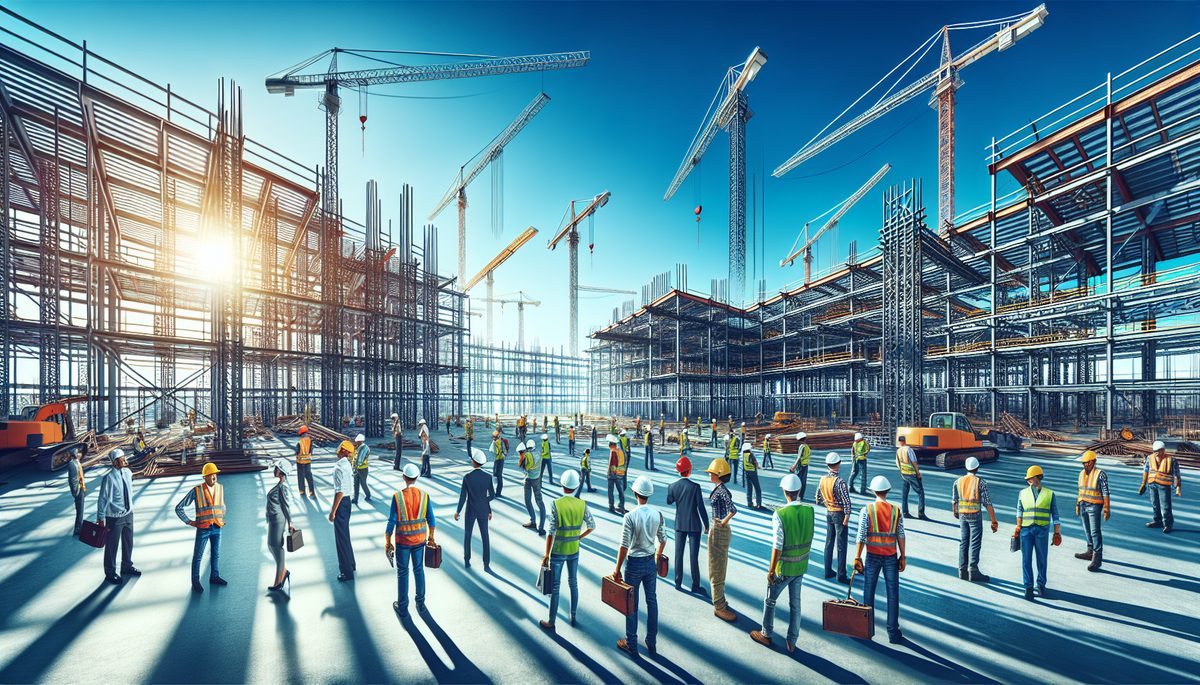
Construction work remains one of the most dangerous occupations in North Carolina and across the United States. Every year, thousands of construction workers suffer serious injuries or lose their lives on job sites throughout the Carolinas. If you or a loved one has been hurt in a construction accident, you may be entitled to compensation well beyond what workers’ compensation provides. Our firm helps injured construction workers and their families pursue every available path to full and fair recovery.
At The Law Office of Ryan P. Duffy, PLLC, we understand the physical, emotional, and financial toll a construction injury takes on workers and their families. Attorney Ryan P. Duffy is dual-licensed in both North Carolina and South Carolina, giving our clients a strategic advantage when construction projects cross state lines or involve out-of-state contractors. We handle construction accident cases on a contingency fee basis, which means you pay nothing unless we recover compensation for you.
Injured? Get a Free Case Evaluation Today.
Understanding Construction Accident Statistics in North Carolina
The construction industry consistently ranks among the most hazardous sectors in the American economy. According to the Bureau of Labor Statistics, the construction industry accounts for roughly one in five workplace fatalities nationwide each year. North Carolina, with its booming residential and commercial development in the Charlotte metro area, the Triangle, and along the coast, sees a disproportionate share of construction injuries.
The Occupational Safety and Health Administration (OSHA) has identified what it calls the “Fatal Four” hazards in construction. These four categories of hazards account for more than half of all construction worker deaths each year. Understanding these hazards is critical for any injured worker seeking to build a strong legal claim.
OSHA’s “Fatal Four” Construction Hazards
Falls from Heights
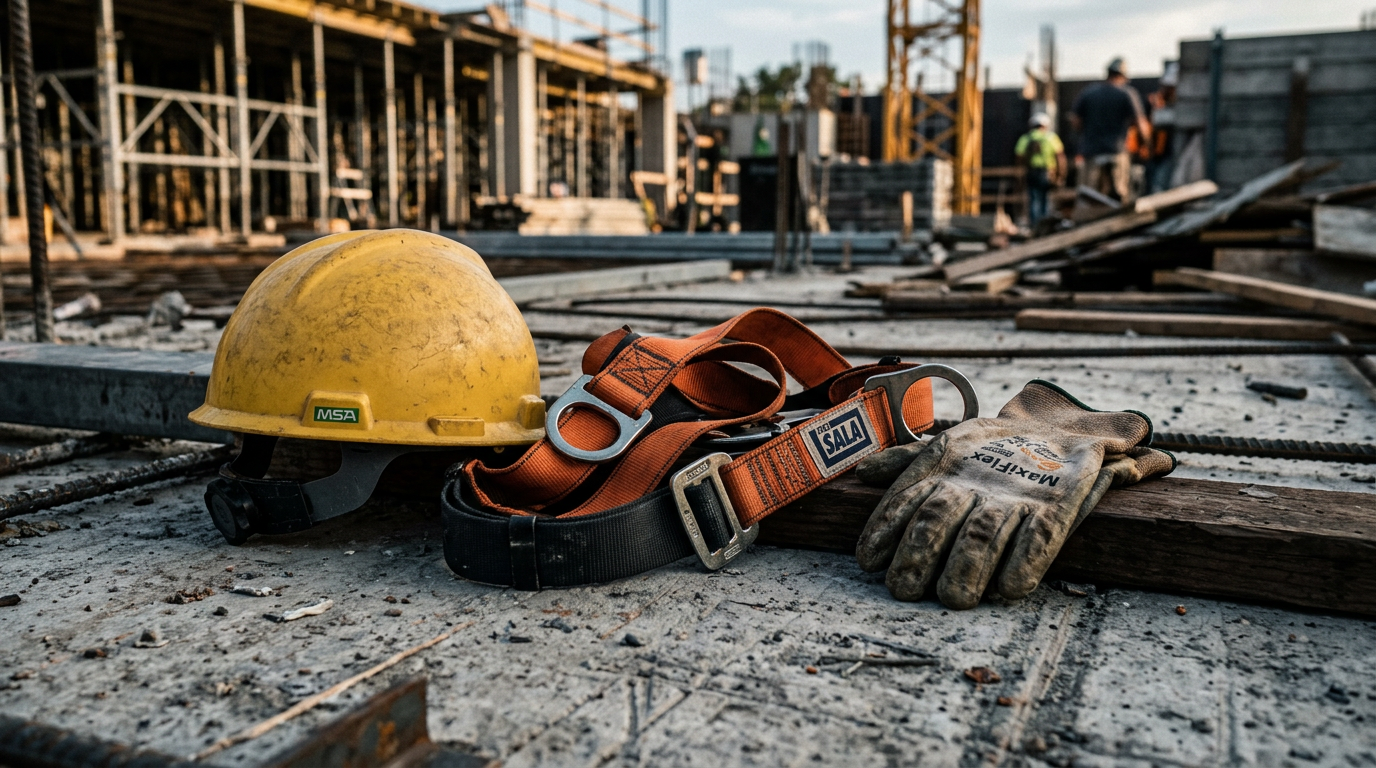
Falls are the single leading cause of death in the construction industry, accounting for approximately one-third of all construction fatalities. Workers fall from roofs, scaffolding, ladders, aerial lifts, steel structures, and unprotected edges on elevated work surfaces. OSHA’s fall protection standards under 29 CFR 1926, Subpart M require employers to provide fall protection systems for workers operating at heights of six feet or more in the construction industry.
Common fall protection violations include the failure to provide guardrail systems, safety net systems, or personal fall arrest systems such as harnesses and lanyards. When employers cut corners on fall protection to save time or money, workers pay the price with broken bones, traumatic brain injuries, spinal cord damage, and death. North Carolina has seen numerous fatal fall incidents at residential construction sites where roofers and framers were working without any fall protection whatsoever.
Struck-By Object Injuries
Struck-by hazards occur when workers are hit by falling objects, flying debris, swinging equipment, or rolling vehicles and machinery. On busy construction sites with multiple trades working simultaneously, the risk of being struck by a dropped tool, a load released from a crane, or a piece of lumber falling from an upper floor is ever present. OSHA standards require employers to implement measures such as toe boards, debris nets, canopies, and barricaded exclusion zones to prevent struck-by incidents.
Heavy equipment operations present particular struck-by dangers. Excavators, dump trucks, and forklifts operating in tight quarters create blind spots that can prove fatal for workers on foot. OSHA requires the use of spotters, backup alarms, and designated traffic patterns on construction sites to minimize these risks.
Electrocution
Electrical hazards kill dozens of construction workers annually across the country. Workers come into contact with overhead power lines, live wires in walls and ceilings during renovation work, improperly grounded tools and equipment, and damaged extension cords. Electricians face obvious risks, but non-electrical workers such as painters using metal ladders near power lines, crane operators swinging booms near overhead conductors, and laborers using power tools with frayed cords are also frequently electrocuted.
OSHA’s electrical safety standards under 29 CFR 1926, Subpart K establish minimum clearance distances from power lines, grounding requirements, and lockout/tagout procedures for de-energizing electrical systems before work begins. Violations of these standards are a strong indicator of employer negligence.
Caught-In or Caught-Between Hazards
Caught-in and caught-between accidents occur when a worker is squeezed, crushed, pinched, or compressed between two or more objects. Trench collapses are the most well-known example. When an unshored trench wall caves in, the weight of the soil can crush a worker’s chest and abdomen within seconds. OSHA’s excavation standards under 29 CFR 1926, Subpart P require protective systems such as shoring, sloping, or trench boxes for excavations five feet deep or greater.
Other caught-in/between hazards include workers pulled into unguarded machinery such as concrete mixers, compactors, and augers, as well as workers crushed between vehicles and fixed objects or caught between heavy structural components during assembly. The injuries from these incidents tend to be catastrophic, involving amputations, crush syndrome, internal organ damage, and fatalities.
Injured? Get a Free Case Evaluation Today.
Workers’ Compensation vs. Third-Party Liability Claims in NC
Understanding the distinction between workers’ compensation and third-party liability claims is essential for any construction worker injured on the job in North Carolina. These are two separate legal pathways, and in many construction accident cases, an injured worker may pursue both simultaneously.
North Carolina Workers’ Compensation
North Carolina’s Workers’ Compensation Act (N.C. Gen. Stat. Chapter 97) provides a no-fault insurance system that covers medical expenses and a portion of lost wages for employees injured on the job. Under this system, you do not need to prove that your employer was negligent. If your injury arose out of and in the course of your employment, you are entitled to benefits regardless of who was at fault.
Workers’ compensation benefits in North Carolina include payment of all reasonable and necessary medical treatment related to the work injury, temporary total disability payments equal to two-thirds of your average weekly wage (subject to a statutory cap), permanent partial disability benefits for lasting impairments, and vocational rehabilitation services. Claims are filed with and administered by the North Carolina Industrial Commission, which is the state agency that oversees the workers’ compensation system.
However, workers’ compensation has significant limitations. It does not compensate you for pain and suffering, emotional distress, or diminished quality of life. The wage replacement benefits are capped and only cover two-thirds of your pre-injury earnings. For workers who suffer catastrophic injuries, workers’ compensation benefits alone are often woefully inadequate to cover the true cost of the injury.
Third-Party Liability Claims
Here is where construction accident cases differ from injuries in most other industries. Construction sites typically involve multiple companies working simultaneously: a general contractor, several subcontractors, equipment rental companies, material suppliers, property owners, architects, and engineers. While the workers’ compensation exclusive remedy doctrine prevents you from suing your direct employer for negligence (with very narrow exceptions), it does not prevent you from filing a personal injury lawsuit against any other negligent party on the job site.
A third-party liability claim is a standard negligence lawsuit filed in North Carolina Superior Court. Unlike workers’ compensation, a third-party claim allows you to recover the full range of damages, including compensation for pain and suffering, emotional distress, loss of enjoyment of life, full lost wages (not just two-thirds), future earning capacity, and in some cases, punitive damages for egregiously reckless conduct.
The ability to pursue a third-party claim alongside workers’ compensation benefits can dramatically increase the total recovery for an injured construction worker. However, it is important to know that your workers’ compensation carrier has a statutory lien on any third-party recovery, meaning a portion of the settlement or verdict must reimburse the carrier for benefits already paid. An experienced attorney can negotiate this lien to maximize the net amount you take home.
Third-Party Defendants in Construction Accident Cases
Identifying all potentially liable parties is one of the most important aspects of a construction accident case. Construction projects involve complex webs of contractual relationships, and multiple parties may share responsibility for the conditions that led to your injury.
General Contractors
The general contractor (GC) is typically responsible for overall site safety and coordination among subcontractors. Under OSHA’s multi-employer citation policy, a general contractor can be cited as a “controlling employer” even for hazards created by subcontractors if the GC had the ability to detect and correct the hazardous condition. In a civil lawsuit, a GC’s failure to enforce safety standards, conduct regular site inspections, or coordinate work activities to prevent hazards can establish negligence. North Carolina courts have recognized that general contractors owe a duty of care to all workers on a construction site, not just their own employees.
Subcontractors
A subcontractor whose work creates a hazardous condition that injures a worker employed by a different subcontractor can be held liable in a third-party claim. For example, if a demolition subcontractor fails to properly barricade or mark a floor opening, and a worker from another trade falls through that opening, the demolition subcontractor may be liable. Each trade contractor on a job site has a duty to perform its work in a manner that does not create unreasonable risks for other workers.
Property Owners
The owner of the property where construction is taking place may be liable for dangerous conditions on the premises that the owner knew about or should have known about. Property owners also have a duty not to interfere with safety measures and, in some circumstances, to ensure that the contractors they hire are competent and adequately insured. If a property owner retains control over certain aspects of the work or the work site, liability may extend further.
Equipment Manufacturers
Defective construction equipment is a significant cause of job site injuries. Manufacturers of scaffolding systems, cranes, aerial lifts, power tools, safety harnesses, hard hats, and other construction equipment have a duty to design and manufacture products that are safe for their intended use. Under North Carolina’s product liability law (N.C. Gen. Stat. 99B), an injured worker can pursue a claim based on design defect, manufacturing defect, or failure to provide adequate warnings and instructions.
Architects and Engineers
Design professionals can be liable when flawed construction plans or specifications create dangerous conditions on the job site. If an engineer’s structural calculations are wrong and a building component collapses during construction, the design professional may bear responsibility. Similarly, if an architect specifies a construction method that is inherently dangerous without adequate safety provisions, liability may follow.
Injured? Get a Free Case Evaluation Today.
Product Liability for Defective Construction Equipment
Product liability claims are a critical component of many construction accident cases. When a piece of equipment fails or malfunctions, the consequences can be devastating. Scaffolding collapses, crane failures, power tool malfunctions, defective safety harnesses, and faulty electrical equipment all give rise to potential product liability claims against the manufacturer, distributor, or retailer of the defective product.
North Carolina’s Products Liability Act (N.C. Gen. Stat. Chapter 99B) governs these claims. To prevail, the injured worker must show that the product was defective and unreasonably dangerous, that the defect existed at the time the product left the manufacturer’s control, and that the defect was a proximate cause of the injury. There are three main theories of product defect: design defect (the product’s design is inherently unsafe), manufacturing defect (the specific product deviated from its intended design during production), and marketing defect (the manufacturer failed to provide adequate warnings or instructions for safe use).
Product liability claims are particularly valuable in construction accident cases because they are not subject to the workers’ compensation exclusive remedy bar. A product manufacturer is always a “third party” relative to the injured worker’s employer. Moreover, product liability claims can sometimes avoid the harsh impact of North Carolina’s contributory negligence rule because strict liability theories focus on the condition of the product rather than the relative fault of the parties.
North Carolina’s Contributory Negligence Rule
North Carolina is one of only a handful of states that still follows the pure contributory negligence doctrine (N.C. Gen. Stat. 1-139). Under this rule, if the injured person was even 1% at fault for the accident, they are completely barred from recovering any damages in a negligence lawsuit. This is an extraordinarily harsh rule that defendants in construction accident cases frequently invoke.
In the construction context, defendants often argue that the injured worker was contributorily negligent because they failed to wear required personal protective equipment, took a shortcut, ignored a known hazard, or failed to follow safety procedures. An experienced construction accident attorney knows how to counter these arguments by showing that the employer or other responsible party created the conditions that made safe work practices impossible or impractical, that the worker was following the instructions of a supervisor, or that the dangerous condition was not open and obvious.
North Carolina also recognizes the “last clear chance” doctrine, which provides an exception to contributory negligence. If the defendant had the last clear opportunity to avoid the accident and failed to do so, the injured worker may still recover despite their own negligence. Additionally, if the defendant’s conduct was willful or wanton (meaning intentionally reckless), contributory negligence is not a defense.
Filing a Claim with the NC Industrial Commission
For workers’ compensation claims, the North Carolina Industrial Commission (NCIC) is the administrative body that handles disputes. When an injury occurs, the employer is required to file a Form 19 (Employer’s Report of Employee’s Injury) within five days. The injured worker should file a Form 18 (Notice of Accident to Employer and Claim of Employee) as soon as possible, and in any event within two years of the accident (N.C. Gen. Stat. 97-22).
If the employer or its insurance carrier denies the claim or disputes the extent of benefits, the case proceeds through the Industrial Commission’s dispute resolution process, which includes mediation and, if necessary, a hearing before a Deputy Commissioner. Appeals go to the Full Commission and then to the North Carolina Court of Appeals. The workers’ compensation system operates on different procedural rules than civil court, and having an attorney experienced with the Industrial Commission can make a significant difference in the outcome of your claim.
OSHA Violations as Evidence of Negligence
When OSHA conducts an inspection of a construction site and issues citations for safety violations, those citations can be powerful evidence in a personal injury lawsuit. While an OSHA citation is not automatically proof of negligence in a civil case, North Carolina courts allow OSHA standards to be introduced as evidence of the standard of care that a reasonable construction company should follow.
If a defendant violated a specific OSHA standard that was designed to prevent the type of accident that occurred, a jury may infer that the defendant was negligent. For example, if OSHA cited a contractor for failing to provide fall protection and a worker subsequently fell from an unprotected edge, the OSHA citation strongly supports the worker’s negligence claim. Our firm works to obtain OSHA inspection records, citation histories, and penalty information for the companies involved in our clients’ construction accidents.
It is important to note that OSHA investigations and civil lawsuits operate on independent tracks. You do not need to wait for OSHA to complete its investigation before filing a personal injury claim. However, the results of an OSHA investigation can significantly strengthen your case.
Injured? Get a Free Case Evaluation Today.
Statute of Limitations for Construction Accident Claims in NC
In North Carolina, the statute of limitations for a personal injury claim is three years from the date of the injury (N.C. Gen. Stat. 1-52). This means you must file your lawsuit in court within three years of the date of the construction accident. If you miss this deadline, your claim is permanently barred, and you lose the right to seek compensation through the courts.
For workers’ compensation claims, the deadline to file a Form 18 notice of accident is two years from the date of injury (N.C. Gen. Stat. 97-22). For occupational diseases that develop over time, such as hearing loss or respiratory conditions from prolonged exposure, the deadline may run from the date the worker was diagnosed or should reasonably have known of the condition.
For wrongful death claims arising from a fatal construction accident, the statute of limitations is two years from the date of death (N.C. Gen. Stat. 1-53). The claim must be brought by the personal representative of the deceased worker’s estate.
Despite these time limits, we strongly urge injured workers not to wait. Evidence disappears quickly on construction sites. Conditions change, equipment is moved, witnesses leave, and memories fade. The sooner you contact an attorney, the sooner we can begin preserving critical evidence and building your case.
Common Types of Construction Accident Injuries
Construction accidents frequently result in severe, life-altering injuries. The nature of construction work, which involves heavy materials, powerful equipment, extreme heights, and hazardous substances, means that when accidents happen, the consequences are often catastrophic.
Traumatic Brain Injuries (TBI)
Falls from heights, struck-by incidents, and explosions can cause traumatic brain injuries ranging from concussions to severe diffuse axonal injuries. TBIs can result in permanent cognitive impairment, personality changes, memory loss, difficulty concentrating, chronic headaches, and an inability to return to construction work. The lifetime cost of treating a severe TBI can exceed several million dollars.
Spinal Cord Injuries
Falls, caught-between incidents, and vehicle accidents on construction sites can damage the spinal cord, resulting in partial or complete paralysis. Quadriplegia and paraplegia permanently alter every aspect of a person’s life, requiring ongoing medical care, assistive devices, home modifications, and personal attendants. These cases involve some of the highest damage awards in construction accident litigation.
Burns
Construction workers are exposed to burn hazards from electrical arcs, explosions, chemical exposure, welding operations, hot tar and asphalt, and fires caused by flammable materials stored on site. Severe burns require extensive treatment including skin grafts, reconstructive surgery, and long-term rehabilitation. Burn injuries often leave permanent scarring and disfigurement.
Crush Injuries and Amputations
Caught-in/between accidents and unguarded machinery can crush limbs and extremities, sometimes necessitating surgical amputation. Crush syndrome, a potentially fatal condition caused by the release of toxins from damaged muscle tissue, can occur when a worker is trapped under heavy objects for an extended period. Amputations permanently alter a worker’s ability to perform physical labor and can end a construction career.
Fractures and Orthopedic Injuries
Broken bones are among the most common construction injuries. While some fractures heal completely, complex fractures, especially those involving joints, may require multiple surgeries and extended rehabilitation and may result in permanent limitations on mobility and strength. Compound fractures where the bone pierces the skin carry additional risks of infection and compartment syndrome.
Damages Available in Construction Accident Cases
The compensation available in a construction accident case depends on whether the claim is pursued through workers’ compensation, a third-party lawsuit, or both.
Workers’ Compensation Benefits
Through the workers’ compensation system, an injured worker can receive payment of all authorized medical expenses, temporary total disability benefits (two-thirds of average weekly wage, capped by statute), temporary partial disability benefits if the worker can return to lighter duty at reduced pay, permanent partial disability benefits based on the body part affected and the percentage of impairment, permanent total disability benefits for catastrophic injuries that prevent any future employment, and death benefits and funeral expenses for surviving dependents in fatal cases.
Third-Party Lawsuit Damages
In a third-party negligence or product liability lawsuit, the full range of compensatory damages is available, including past and future medical expenses (without the limitations of workers’ comp), full lost wages and benefits (not capped at two-thirds), loss of future earning capacity, pain and suffering, emotional distress and mental anguish, loss of enjoyment of life, permanent disfigurement and scarring, and loss of consortium (a claim by the injured worker’s spouse). In cases involving egregiously reckless conduct, punitive damages may also be awarded to punish the wrongdoer and deter similar conduct in the future.
Injured? Get a Free Case Evaluation Today.

Evidence Preservation at Construction Sites
Construction sites are dynamic environments that change rapidly. The scaffolding that collapsed today may be removed and replaced tomorrow. The trench that caved in will be re-excavated. The defective tool that malfunctioned may be discarded or repaired. This makes prompt evidence preservation absolutely critical in construction accident cases.
Our firm takes immediate steps to preserve evidence when we are retained on a construction accident case. We send formal spoliation preservation letters to all potentially responsible parties, putting them on legal notice that they must preserve all evidence related to the accident, including physical evidence, photographs, video footage, equipment, safety records, daily logs, inspection reports, and electronically stored information. We also work with investigators and experts to visit the accident scene, photograph and document conditions, interview witnesses, and secure physical evidence before it is lost or destroyed.
If you have been injured on a construction site, there are steps you can take to protect your claim. If possible, take photographs or video of the accident scene, your injuries, and any equipment involved. Get the names and contact information of any witnesses. Report the accident to your supervisor in writing if possible. Seek medical attention immediately and tell the treating physician exactly how the accident occurred. Keep copies of all medical records and documents related to the accident. And contact an attorney as soon as possible.
Common Construction Site Violations in North Carolina
OSHA conducts inspections of construction sites throughout North Carolina, and certain violations appear with alarming frequency. The most commonly cited construction safety violations include inadequate fall protection (29 CFR 1926.501), improper scaffolding construction and use (29 CFR 1926.451), lack of hazard communication for chemical exposures (29 CFR 1926.59), missing or inadequate ladder safety measures (29 CFR 1926.1053), failure to protect workers in excavations and trenches (29 CFR 1926.652), inadequate personal protective equipment programs (29 CFR 1926.95), and failure to implement lockout/tagout procedures for the control of hazardous energy (29 CFR 1926.417).
When any of these violations contributes to a worker’s injury, it strengthens the case for negligence against the responsible party. Our firm reviews OSHA’s inspection database and citation history for the contractors involved in our clients’ cases to identify patterns of safety violations that demonstrate a disregard for worker safety.
The Role of Safety Regulations and OSHA Standards
Federal OSHA standards contained in 29 CFR 1926 establish minimum safety requirements for the construction industry. These standards cover virtually every aspect of construction safety, from fall protection and scaffolding to electrical safety, excavation protection, crane operations, steel erection, and the handling of hazardous materials. North Carolina operates a state OSHA program (NC OSH) that enforces standards at least as protective as federal OSHA standards.
OSHA standards serve a dual purpose in construction accident litigation. First, they establish the standard of care that construction companies are expected to meet. A company that fails to comply with applicable OSHA standards is likely falling below the standard of care a reasonable construction company would follow. Second, OSHA standards can help identify specific safety measures that should have been in place to prevent the accident. When we present a case to a jury, we can point to the specific OSHA standard that was violated and explain how compliance with that standard would have prevented our client’s injury.
Multi-Party Liability in Construction Accidents
One of the unique aspects of construction accident litigation is the frequency of multi-party liability. A single accident may involve negligence by the general contractor, one or more subcontractors, the property owner, an equipment manufacturer, and a design professional. Identifying and pursuing all liable parties is essential to maximizing the injured worker’s recovery.
Multi-party construction cases are complex. Each defendant will attempt to shift blame to the others, and the contractual indemnification and insurance arrangements among the parties can be labyrinthine. Our firm has the experience and resources to investigate all aspects of a construction accident, identify every potentially liable party, and pursue claims against each of them. We also understand how to navigate the interaction between workers’ compensation liens and third-party recoveries to ensure our clients receive the maximum net recovery.
South Carolina Construction Accident Differences
Because Attorney Ryan P. Duffy is licensed in both North Carolina and South Carolina, our firm also handles construction accident cases across the border. There are important differences between the two states’ laws that affect construction injury claims. South Carolina follows a modified comparative negligence rule rather than North Carolina’s strict contributory negligence doctrine. Under South Carolina’s system (S.C. Code 15-38-15), an injured worker can recover damages as long as their fault does not exceed 50%, though the recovery is reduced by the worker’s percentage of fault. This more forgiving standard means that cases that might be barred entirely in North Carolina could still result in significant compensation in South Carolina.
South Carolina’s workers’ compensation system also has different benefit levels and procedures. If you were injured on a construction site near the NC/SC border, or if the project involved companies from both states, our dual-state licensure allows us to evaluate which jurisdiction’s laws are most favorable for your particular situation.
Explore Our Other Practice Areas
The Law Office of Ryan P. Duffy represents injured victims across North Carolina and South Carolina in a wide range of personal injury and wrongful death cases. Beyond construction accidents, we can help with:
- Nursing Home Abuse Attorney
- Wrongful Death Attorney
- Pedestrian Accident Attorney
- Drunk Driving Accident Attorney
- Rear-End Accident Attorney
- Dog Bite Injury Attorney
Every case starts with a free consultation. Call (704) 741-9399 or contact us online to discuss your situation.
Frequently Asked Questions About Construction Accidents in North Carolina
Can I Sue My Employer for a Construction Accident in North Carolina?
In most cases, no. North Carolina’s Workers’ Compensation Act provides the exclusive remedy against your direct employer for workplace injuries. This means you cannot file a negligence lawsuit against your employer. However, there are very limited exceptions, such as when an employer intentionally causes harm or when the employer does not carry required workers’ compensation insurance. More importantly, you can almost always sue third parties other than your employer, such as general contractors, other subcontractors, property owners, and equipment manufacturers. These third-party claims allow you to recover full damages, including pain and suffering, which are not available through workers’ compensation.
What Is the Difference Between Workers’ Compensation and a Personal Injury Lawsuit?
Workers’ compensation is a no-fault insurance system administered by the NC Industrial Commission. You receive benefits regardless of who caused the accident, but the benefits are limited to medical expenses and a portion (two-thirds) of your lost wages. There is no compensation for pain and suffering. A personal injury lawsuit, on the other hand, is a fault-based claim filed in civil court against a negligent third party. If successful, you can recover the full range of damages including all medical expenses, full lost wages, future earning capacity, pain and suffering, and emotional distress. In many construction accident cases, injured workers pursue both workers’ compensation benefits and a third-party lawsuit simultaneously.
How Does OSHA Affect My Construction Accident Case?
OSHA sets safety standards for the construction industry under 29 CFR 1926. When an employer or contractor violates these standards, and that violation causes or contributes to your injury, it can serve as strong evidence of negligence in your civil lawsuit. While an OSHA citation is not automatic proof of negligence, North Carolina courts allow OSHA standards to be presented to juries as evidence of what a reasonable construction company should have done. Additionally, OSHA investigation records, including inspection reports, citation details, and penalty information, can provide valuable documentation of the hazardous conditions that caused your injury.
What If I Was Partially at Fault for the Construction Accident?
North Carolina follows the pure contributory negligence rule (N.C. Gen. Stat. 1-139), which means that if you are found even partially at fault for the accident, you may be barred from recovering any damages in a negligence lawsuit. This makes it essential to work with an attorney who understands how to counter contributory negligence defenses. Defendants in construction accident cases routinely argue that the worker was negligent by not wearing safety equipment, taking shortcuts, or ignoring known hazards. An experienced attorney can often overcome these arguments by demonstrating that the employer created the unsafe conditions, that the worker was following instructions, or that the hazard was not open and obvious. Note that contributory negligence does not affect your workers’ compensation claim, which is a no-fault system.
How Long Do I Have to File a Construction Injury Claim in North Carolina?
The time limits depend on the type of claim. For a personal injury lawsuit against a third party, the statute of limitations is three years from the date of the accident (N.C. Gen. Stat. 1-52). For a workers’ compensation claim, you must file a Form 18 notice within two years of the injury (N.C. Gen. Stat. 97-22). For wrongful death claims, the deadline is two years from the date of death (N.C. Gen. Stat. 1-53). However, we strongly recommend contacting an attorney as soon as possible after the accident. Evidence on construction sites disappears quickly, and early investigation is critical to building a strong case.
What Damages Can I Recover in a Construction Accident Case?
Through workers’ compensation, you can receive medical expense coverage and two-thirds of your average weekly wage during your disability. Through a third-party lawsuit, the damages are much broader and include all past and future medical expenses, full lost wages, loss of future earning capacity, pain and suffering, emotional distress, loss of enjoyment of life, permanent scarring and disfigurement, and in some cases, punitive damages. When both claims are pursued, the total recovery can be substantially higher than workers’ compensation alone would provide.
Who Can Be Held Liable Besides My Employer?
In construction accident cases, numerous parties other than your direct employer may be liable. These include the general contractor who is responsible for overall site safety, other subcontractors whose work created the hazardous condition, the property owner, manufacturers of defective tools and equipment, equipment rental companies, architects and engineers whose designs contributed to the accident, and material suppliers who provided defective building materials. Identifying all liable parties is one of the most important steps in maximizing your recovery.
What Should I Do Immediately After a Construction Site Injury?
First, seek medical attention immediately, even if you think your injuries are minor. Tell the medical provider exactly how the accident happened. Report the injury to your supervisor and make sure it is documented in writing. If you are physically able, take photographs or video of the accident scene, including the conditions, equipment, and any visible hazards. Collect the names and contact information of witnesses. Preserve any physical evidence such as damaged equipment or clothing. Do not give recorded statements to insurance companies without consulting an attorney. Contact a construction accident attorney as soon as possible to begin preserving evidence and protecting your rights.
Can I Get Compensation If I Am an Undocumented Worker?
Yes. Both North Carolina’s workers’ compensation system and the civil court system provide protections to injured workers regardless of immigration status. Under North Carolina law, undocumented workers are considered employees entitled to workers’ compensation benefits. Similarly, a third-party negligence claim is available to any person injured by another’s negligence, regardless of citizenship or immigration status. Employers and insurance companies are generally prohibited from inquiring into a worker’s immigration status during workers’ compensation proceedings. If you are an undocumented worker injured on a construction site, you have legal rights and should consult with an attorney.
What If Defective Equipment Caused My Construction Injury?
If your injury was caused by a defective piece of construction equipment, you may have a product liability claim against the manufacturer, distributor, or retailer of that equipment. North Carolina’s Products Liability Act (N.C. Gen. Stat. Chapter 99B) allows claims based on design defects, manufacturing defects, and failure to provide adequate warnings. Product liability claims are particularly valuable because they are not subject to the workers’ compensation exclusive remedy bar, and they can sometimes overcome the contributory negligence defense. We work with engineering experts to investigate equipment failures, identify defects, and build strong product liability cases.
How Much Is My Construction Accident Case Worth?
The value of a construction accident case depends on many factors, including the severity of your injuries, the extent of your medical treatment, the length of your recovery, whether you can return to construction work, the strength of the evidence of negligence, the number of liable parties, and the available insurance coverage. Catastrophic injuries such as traumatic brain injuries, spinal cord damage, amputations, and severe burns typically result in the highest recoveries because of the extensive medical care, lost earning capacity, and pain and suffering involved. We provide free case evaluations and can give you an honest assessment of your case’s potential value after reviewing the specific facts and circumstances.
Get the Compensation You Deserve
Free consultation. No fee unless we win your case.
Construction Accident Lawyers by City
- Charlotte Construction Accident Lawyer
- Gastonia Construction Accident Lawyer
- Belmont Construction Accident Lawyer
- Concord Construction Accident Lawyer
- Monroe Construction Accident Lawyer
- Rock Hill Construction Accident Lawyer
- Fort Mill Construction Accident Lawyer
- Mooresville Construction Accident Lawyer
- Statesville Construction Accident Lawyer
- Salisbury Construction Accident Lawyer
- Hickory Construction Accident Lawyer
- Shelby Construction Accident Lawyer
- Kannapolis Construction Accident Lawyer
This page is for informational purposes only and does not constitute legal advice. Every case is unique — contact our office for a free consultation about your specific situation.