Gastonia Construction Accident Lawyer
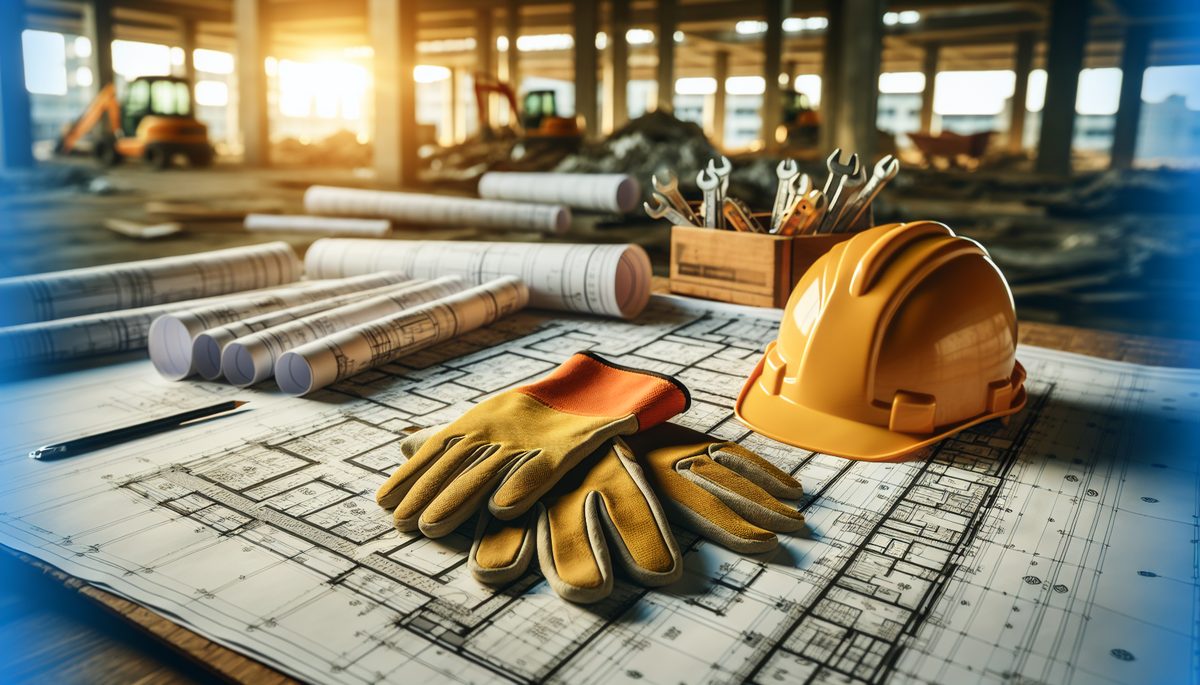
Gastonia sits at the center of Gaston County’s transformation from a textile manufacturing economy to a logistics and distribution powerhouse. The I-85 corridor running through the county has attracted massive warehouse and distribution center projects — buildings that cover hundreds of thousands of square feet and require months of heavy construction to complete. At the same time, the century-old cotton mills that defined Gastonia for generations are being torn down or gutted for adaptive reuse projects. Both types of work create serious hazards for construction workers.
If you were hurt on a construction site in Gastonia or anywhere in Gaston County, workers’ compensation is only part of the picture. When someone other than your direct employer caused or contributed to your accident — a general contractor who cut corners on safety, an equipment rental company that sent out a defective machine, a demolition subcontractor who failed to properly survey for asbestos — you may have a third-party claim that pays damages workers’ comp never will.
Injured? Get a Free Case Evaluation Today.
Warehouse and Distribution Center Construction Hazards Along the I-85 Corridor
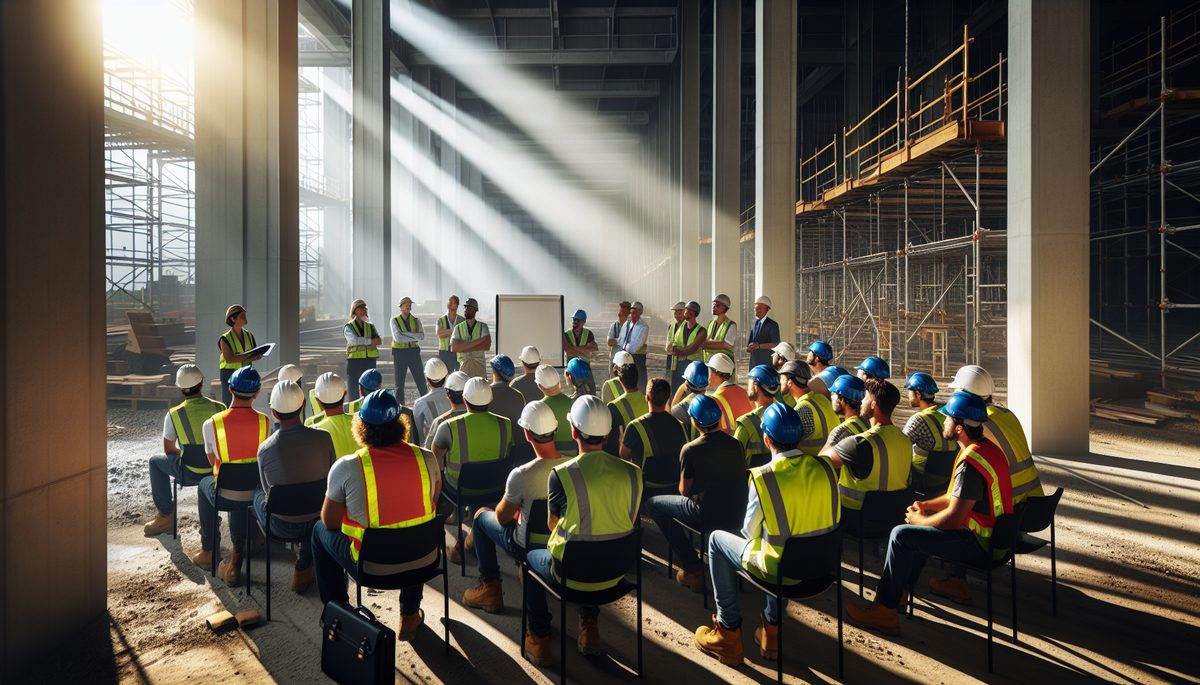
The stretch of I-85 from Gastonia through Belmont and into Charlotte has become one of the busiest logistics construction corridors in the Carolinas. Amazon, FedEx, and third-party logistics companies have all built or expanded facilities in Gaston County. These projects move on compressed timelines because tenants sign leases before the concrete is dry, and every day of delay costs the developer money. That schedule pressure flows downhill to the workers swinging hammers and operating machinery.
Tilt-up concrete construction is the standard method for these large warehouses. Crews pour concrete wall panels flat on the ground slab, then use massive cranes to lift each panel — weighing 30,000 to 80,000 pounds — into a vertical position and brace it in place. Until the roof structure ties all the panels together, each one is held up by temporary bracing that must be engineered and installed correctly. A single bracing failure can bring a panel down on workers below with catastrophic results. The crane operations during tilt-up work are equally dangerous; a rigging failure or a miscalculated lift can drop a panel or swing it into a crew.
Beyond tilt-up, these projects involve extensive underground utility installation in compacted fill that may be unstable, roofing work on structures that can span 300 feet without interior walls for fall protection anchoring, and the installation of complex conveyor and racking systems that require workers to operate at height inside the building. When the general contractor is chasing a lease commencement date, safety shortcuts on any of these tasks can injure or kill workers.
Demolition and Renovation Risks in Century-Old Textile Mills
Gaston County was once home to more than 100 textile mills. Many of those buildings still stand along the South Fork River and throughout downtown Gastonia, and developers are converting them into breweries, apartments, office space, and mixed-use complexes. This adaptive reuse work is some of the most hazardous construction in the industry. These buildings were constructed with materials and methods that create hidden dangers at every turn.
Asbestos was used extensively in textile mill construction — in pipe insulation, floor tiles, roof materials, and even wall plaster. Lead paint coats nearly every surface. The structural timber and masonry in these buildings may have been weakened by decades of moisture infiltration, insect damage, or the vibrations of industrial machinery that operated inside them for a century. Demolition crews working in these structures face the risk of unexpected structural collapse when a load-bearing wall turns out to be more deteriorated than the engineering survey indicated.
The liability picture in a mill renovation injury is often complex. The property owner may have failed to conduct an adequate hazardous materials survey before work began. The general contractor may have ignored signs of structural instability. An abatement subcontractor may have improperly removed asbestos, exposing workers from other trades to toxic fibers. An engineering firm may have miscalculated the load-bearing capacity of a floor that was never designed to support modern construction equipment. Each of these failures can support a third-party claim by an injured worker.
How Gaston County Construction Cases Run Into Contributory Negligence
North Carolina’s contributory negligence rule is the biggest legal obstacle facing injured construction workers in this state. Unlike 46 other states that allow injured people to recover reduced damages even if they were partly at fault, North Carolina bars recovery entirely if the worker contributed to the accident in any way. Defense attorneys in Gaston County construction cases use this rule as a weapon, scrutinizing every detail of the injured worker’s conduct to find a basis for total defeat of the claim.
In demolition and renovation cases, the defense frequently argues that the worker should have recognized the hazard — that visible cracks in a wall, the smell of mold, or the presence of old insulation should have put a reasonable worker on notice. These arguments ignore the reality that construction workers rely on their employer and the general contractor to provide a safe workplace, not to serve as their own safety inspectors. The law recognizes exceptions to contributory negligence, including the last clear chance doctrine and willful or wanton conduct by the defendant. An attorney experienced in North Carolina construction cases will structure the evidence to address contributory negligence head-on rather than hope the issue does not arise. The statute of limitations for a third-party personal injury claim is 3 years from the date of injury. Workers’ comp claims must be filed within 2 years.

Protecting Your Rights After a Construction Injury in Gaston County
Go to CaroMont Regional Medical Center in Gastonia or the nearest emergency room — not a job-site first aid tent. Tell your supervisor about the injury in writing the same day. If you can, photograph the scene, the equipment, and the conditions that contributed to the accident before anything is cleaned up or moved. Get witness names and contact information. Ask for a copy of the incident report and the OSHA 300 log. Do not give a recorded statement to anyone’s insurance company until you have spoken with an attorney.
How the Law Office of Ryan P. Duffy Helps Gaston County Construction Workers
Ryan evaluates construction accident cases across Gaston County at no cost to the injured worker. Having spent years defending insurance companies before switching sides, Ryan knows how adjusters and defense attorneys think — and where their arguments fall apart. When the facts support a third-party claim against a general contractor, equipment rental company, manufacturer, or property owner, Ryan connects you with a construction litigation firm that makes these cases their primary focus. There is no fee for this referral. Ryan remains available throughout the process to answer your questions and make sure you are getting the representation the case demands.
Frequently Asked Questions
A rented scissor lift malfunctioned and I fell. Who pays for my injuries?
Multiple parties may owe you compensation. The equipment rental company has a duty to inspect and maintain every piece of equipment before it goes out. If the scissor lift had a hydraulic leak, a faulty safety sensor, or worn components that the rental company missed, they may be liable. If the manufacturer designed or built the lift with a defect, a product liability claim applies regardless of whether the equipment was new or used. Your employer’s workers’ comp covers you automatically, but a third-party claim against the rental company or manufacturer can recover full damages including pain and suffering that workers’ comp does not pay.
My subcontractor employer has no insurance. What are my options?
If your employer illegally failed to carry workers’ compensation insurance, you can file a claim with the North Carolina Uninsured Employers’ Fund, which provides benefits to workers whose employers violated the insurance mandate. You also gain the right to sue your uninsured employer directly in civil court — a right that workers’ comp normally takes away. Additionally, if a third party such as the general contractor or another subcontractor contributed to your injury, that claim exists independently and does not depend on whether your own employer had insurance.
How long do I have to file a construction injury lawsuit in North Carolina?
For a third-party personal injury claim, the statute of limitations is 3 years from the date of injury. For workers’ compensation, you must file within 2 years, and you should report the injury to your employer immediately. However, these deadlines are the outer limits. Evidence disappears quickly on construction sites — daily logs get filed away, equipment gets returned to rental yards, and witnesses move to other jobs. Starting the investigation within the first few weeks gives your attorney the best chance of preserving the evidence needed to build a strong case.
Need Legal Help? Free Case Evaluation
The Law Office of Ryan P. Duffy evaluates construction accident cases and connects you with the right specialist at no additional cost.
Call us at 704-741-9399 or contact us online to get started.
The information on this page is for general educational purposes and does not constitute legal advice. Every case is different. Past results do not guarantee future outcomes. Contact our office for a free consultation to discuss the specifics of your situation.
Related Pages
Explore nearby pages for this city and practice area.