Fort Mill Construction Accident Lawyer
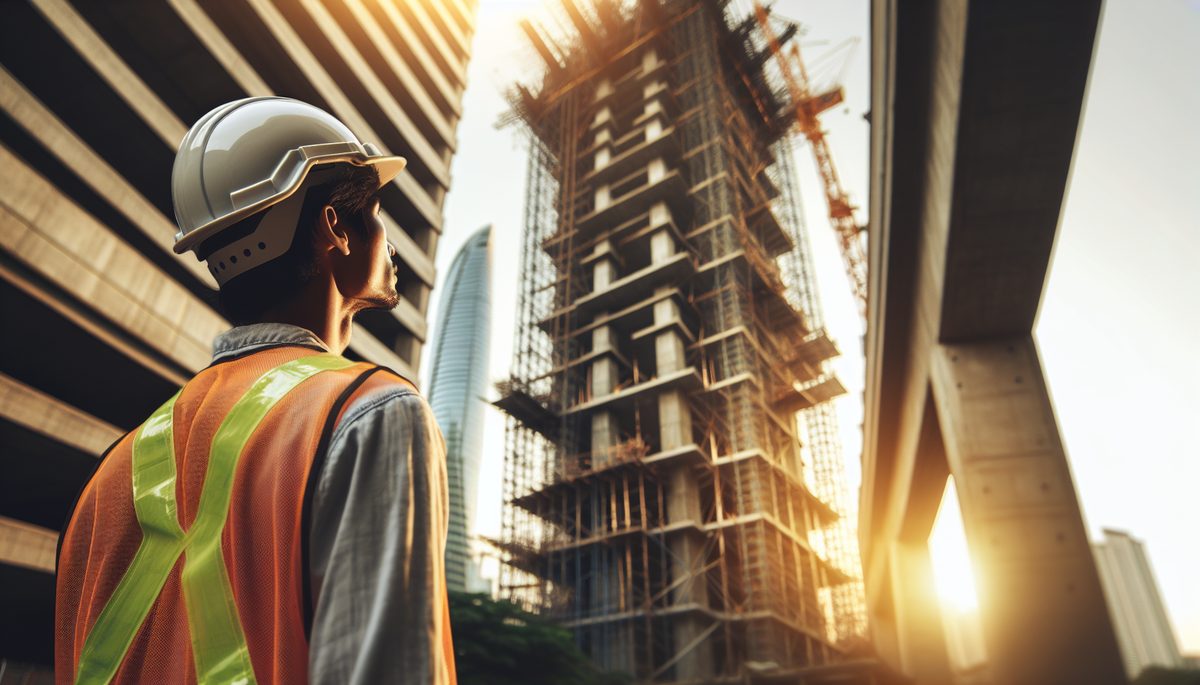
Fort Mill may have started as a quiet York County mill town, but the past two decades have transformed it into one of the fastest-growing communities in South Carolina. The population has roughly tripled since 2000, driven by families relocating from Charlotte for newer homes and lower taxes. That growth has generated a construction boom — subdivisions, townhome communities, new schools, commercial centers, and the roads and utilities to serve them — that shows no signs of slowing down. The construction workers building Fort Mill’s future face hazards created by the sheer pace of development.
South Carolina’s legal system gives injured construction workers a meaningful advantage over workers injured across the state line in North Carolina. SC follows comparative negligence, meaning you can recover damages even if you were partially at fault for your injury. This matters because in North Carolina’s contributory negligence system, any fault on the worker’s part eliminates the claim entirely. If you were hurt on a Fort Mill construction site, that geographic fact may be worth a significant amount of money.
Spec Home and Tract Housing Construction Injuries
Fort Mill’s residential construction market is dominated by production homebuilding. National builders like Lennar, D.R. Horton, and Meritage Homes operate large subdivisions along Springfield Parkway, Pleasant Road, and Gold Hill Road where dozens of homes are under construction simultaneously. The business model is volume. Build fast, close sales fast, start the next phase. This speed-over-safety culture is embedded in the financial incentives of the production homebuilding industry, and it directly endangers the workers on these sites.
Framing crews working on spec homes in Fort Mill face repetitive motion injuries and acute trauma from the relentless pace. A framing team that is expected to frame a house in three days instead of five will skip safety steps to make the deadline. Fall protection on a two-story residential frame is frequently inadequate — guardrails are not installed on second-floor openings because the crew will frame them in by the end of the day. Nail gun injuries spike when fatigued workers rush through sheathing and siding. Truss-setting operations, where prefabricated roof trusses weighing hundreds of pounds are lifted by crane and walked into position by hand, kill and injure residential construction workers at a disproportionate rate.
The liability structure in production homebuilding involves multiple layers. The builder (who may also be the developer) hires subcontractors for each trade — framing, roofing, plumbing, electrical, HVAC, siding. Each sub brings its own crew, its own equipment, and its own insurance (or lack thereof). When one subcontractor’s unsafe work injures another subcontractor’s employee, a third-party claim exists against the negligent sub. When the builder’s schedule pressure is the root cause of the unsafe conditions, the builder is a proper third-party defendant regardless of which sub actually created the hazard.
Infrastructure Strain and Rushed Utility Construction
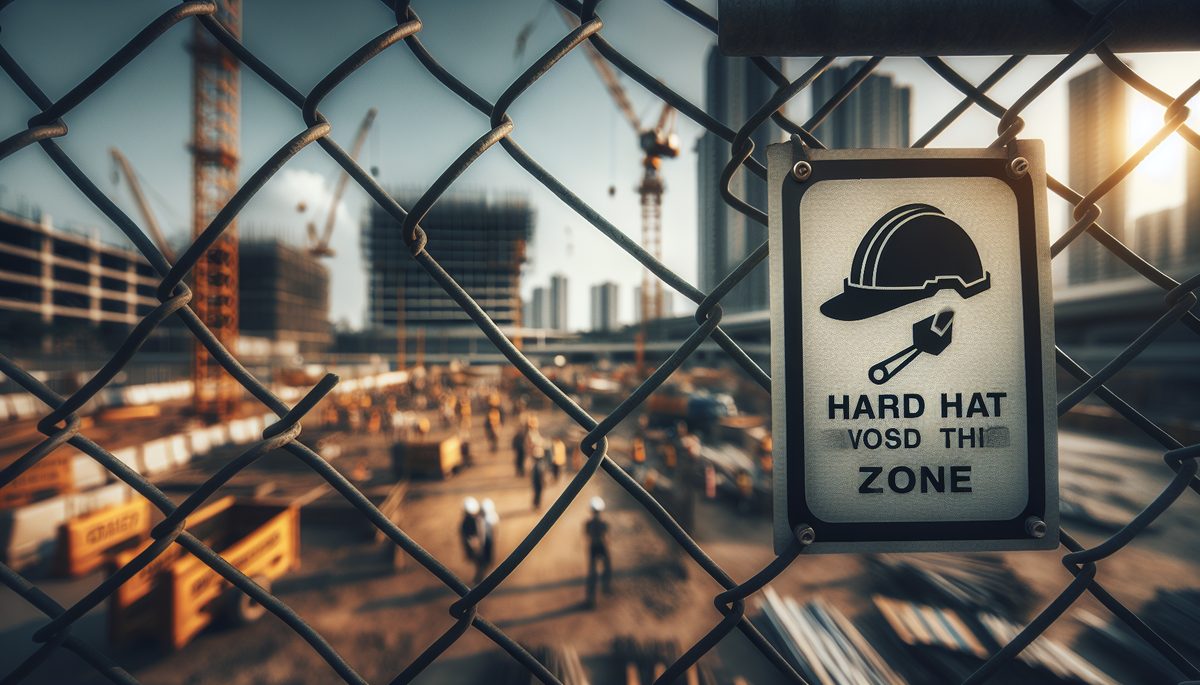
Fort Mill’s explosive growth has strained every piece of public infrastructure in the town. Roads that were designed for rural traffic now carry thousands of daily commuters. Water and sewer systems that served a small community are being extended miles into what was recently farmland. The construction workers installing this infrastructure — digging trenches for water mains along Dobys Bridge Road, laying sewer pipe through Catawba Ridge, grading new roads through Massey — work under pressure to complete connections before the next subdivision phase opens for occupancy.
Road construction in Fort Mill’s growth corridors presents struck-by hazards from drivers who speed through work zones and do not expect construction activity on roads they have driven for years. Utility trenching in the red clay soils of York County is particularly hazardous because the clay holds its shape deceptively well — a trench wall that looks solid can collapse without warning hours after excavation. Workers in these trenches are killed by cave-ins that could have been prevented by trench boxes or proper sloping, but the contractor skipped protection to save time and money.
Water and sewer line installation also involves working around existing underground infrastructure that may not be accurately mapped, especially in areas that were rural until recently. Hitting a gas line during excavation can cause an explosion. Striking a buried electrical conduit can electrocute equipment operators. The utility company, the excavation contractor, and the project engineer who failed to properly locate existing utilities can all bear third-party liability when these accidents occur.
South Carolina’s Comparative Fault System and Fort Mill Construction Claims
South Carolina’s modified comparative negligence rule is straightforward: you can recover damages as long as your fault does not exceed 50%. If you were 25% at fault and the general contractor was 75% at fault, you recover 75% of your damages. This is a fundamentally different calculation than North Carolina’s contributory negligence rule, where that same 25% fault finding would eliminate your claim entirely.
In the high-volume residential construction environment that defines Fort Mill, this distinction is critical. Defense attorneys will always argue that the worker should have recognized the hazard, should have refused the unsafe task, or should have requested fall protection before climbing onto the second-floor joists. Under SC law, even if the jury agrees that the worker bore some fault, the claim survives. The recovery is reduced, not eliminated. For a worker with $300,000 in damages who was 20% at fault, that is the difference between recovering $240,000 and recovering nothing. The SC statute of limitations for personal injury is 3 years. Workers’ comp claims must be filed within 2 years.

What to Do After a Construction Injury in Fort Mill
Get to Piedmont Medical Center in Rock Hill or Atrium Health Pineville (just across the state line) — whichever is closest. Report the injury to your employer in writing immediately. Photograph the accident scene, the equipment involved, and your injuries before anything is moved or cleaned up. Get witness contact information. Note the exact location of the accident — whether it was in South Carolina is a critical legal fact that determines which state’s more favorable negligence law applies. Do not give a recorded statement to any insurance adjuster before speaking with an attorney.
How Ryan Duffy Helps Fort Mill Construction Workers
Ryan is licensed in both South Carolina and North Carolina, which is critical for construction accident cases in the Fort Mill area where workers, contractors, and insurance companies regularly cross the state line. He evaluates construction injury cases in Fort Mill and York County at no charge to determine whether a viable third-party claim exists under SC law. When one does, Ryan connects you with a litigation firm that specializes in South Carolina construction injury cases. There is no fee to the injured worker for this referral. Ryan stays accessible to answer questions and ensure you get the representation the case requires.
Frequently Asked Questions
The developer, the builder, and the subcontractor all blame each other. Who is actually liable?
In South Carolina’s residential construction chain, all three may share liability. The developer who set the project schedule and selected the builder bears responsibility for creating conditions that pressure safety shortcuts. The builder (general contractor) who managed day-to-day operations controlled the site and is liable for unsafe conditions they created or allowed. The subcontractor who performed the specific work that caused the injury is liable for their own negligence. South Carolina’s comparative negligence system allows the jury to allocate fault percentages to each defendant, and you can recover from each based on their share of responsibility.
What are South Carolina’s scaffold safety requirements?
South Carolina follows federal OSHA scaffold standards, which require guardrail systems, personal fall arrest systems, or both for any scaffold platform 10 feet or more above the ground. Scaffolds must be erected on firm foundations, inspected by a competent person before each shift, and designed to support four times the maximum intended load. In the high-volume residential construction environment in Fort Mill, where scaffolds are erected and moved constantly to keep pace with framing and siding crews, these requirements are frequently shortcut. A scaffold failure caused by inadequate inspection or improper assembly is a clear basis for a third-party claim against the responsible contractor.
I was hired through a temporary staffing agency. Who is responsible for my injuries?
Both the staffing agency and the host contractor may bear liability. The staffing agency is typically your employer for workers’ comp purposes, meaning you can file a workers’ comp claim through them. The host contractor — the builder or subcontractor who directed your work on site — is a third party you can sue in a civil claim. If the host contractor failed to provide safety training, adequate equipment, or a safe work environment, they are liable for that negligence. South Carolina courts have consistently held that host employers owe temporary workers the same duty of care they owe their own employees.
Need Legal Help? Free Case Evaluation
The Law Office of Ryan P. Duffy evaluates construction accident cases and connects you with the right specialist at no additional cost.
Call us at 704-741-9399 or contact us online to get started.
The information on this page is for general educational purposes and does not constitute legal advice. Every case is different. Past results do not guarantee future outcomes. Contact our office for a free consultation to discuss the specifics of your situation.
Related Pages
Explore nearby pages for this city and practice area.