Concord Construction Accident Lawyer
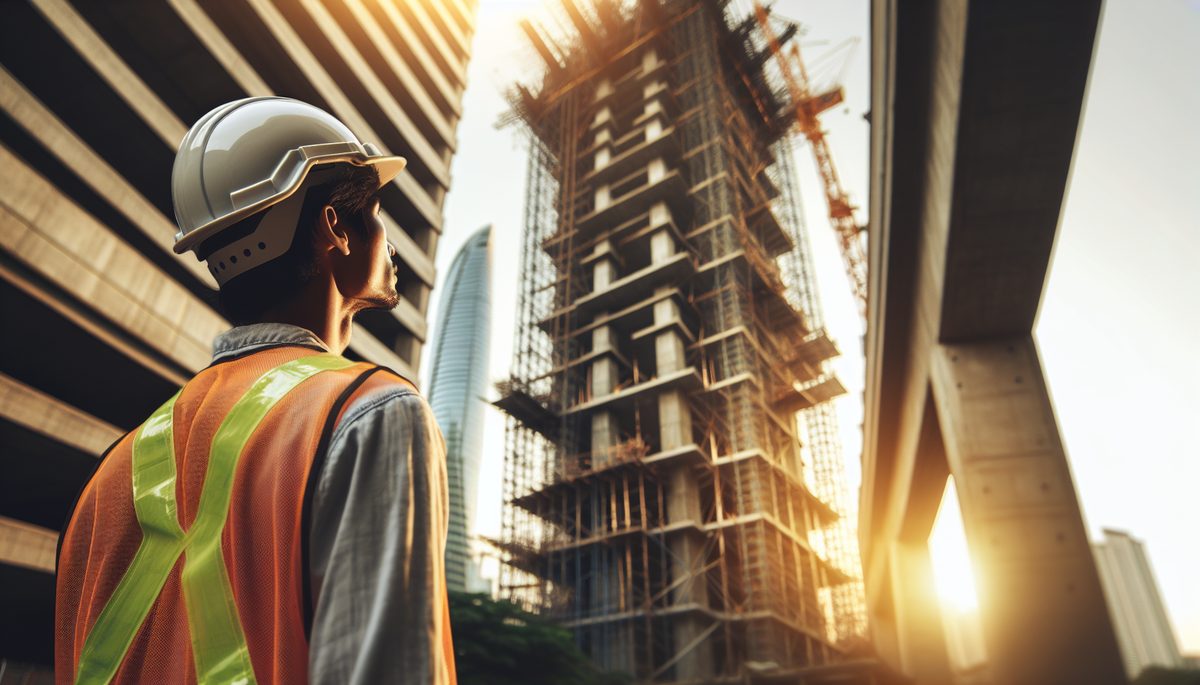
Concord is the economic engine of Cabarrus County, anchored by destinations that draw millions of visitors each year and a commercial corridor along I-85 that never stops expanding. Charlotte Motor Speedway, zMAX Dragway, Concord Mills Mall, and the Great Wolf Lodge represent hundreds of millions of dollars in built infrastructure that requires constant upgrades, expansions, and maintenance. Add the highway interchange projects, hotel construction, and retail development that support this economy, and Concord’s construction industry operates at an intensity that rivals much larger cities.
Construction workers injured on these projects in Concord and Cabarrus County have legal options that go beyond workers’ compensation. Third-party claims against general contractors, venue owners, equipment suppliers, and design professionals can recover damages that workers’ comp does not cover — full lost wages, pain and suffering, and compensation for permanent impairment. The Law Office of Ryan P. Duffy evaluates these claims for injured construction workers across Cabarrus County.
Injured? Get a Free Case Evaluation Today.
Large-Venue and Entertainment Facility Construction Hazards
Building and renovating the motorsport, entertainment, and hospitality facilities that define Concord’s economy creates hazards that do not exist on a standard commercial jobsite. Charlotte Motor Speedway’s ongoing upgrades involve structural steel work at heights above the grandstands, heavy equipment operations in bowl-shaped terrain with limited escape routes, and electrical installations powering broadcast infrastructure and lighting systems that carry far more voltage than a typical commercial building. The zMAX Dragway and associated facilities require specialized concrete and asphalt work designed to withstand forces that normal pavement never encounters.
These projects often operate under event-driven deadlines that create enormous schedule pressure. A grandstand renovation must be complete before the Coca-Cola 600. A hotel expansion near Concord Mills must open before a holiday season. When the deadline is non-negotiable and the timeline is compressed, safety corners get cut. Workers are asked to perform tasks faster than conditions allow. Inspections are deferred. Temporary structures that should be engineered and reviewed are thrown together by the crew on site.
The liability landscape on a large entertainment venue project is also more complex than most construction sites. The venue owner, the event management company, the general contractor, the design architect, the structural engineer, and dozens of specialty subcontractors all have overlapping responsibilities for worker safety. When an injury occurs, unraveling who controlled the specific condition that caused the accident requires investigators who understand both construction operations and the entertainment industry’s unique project delivery methods.
Highway Interchange Reconstruction Hazards on I-85
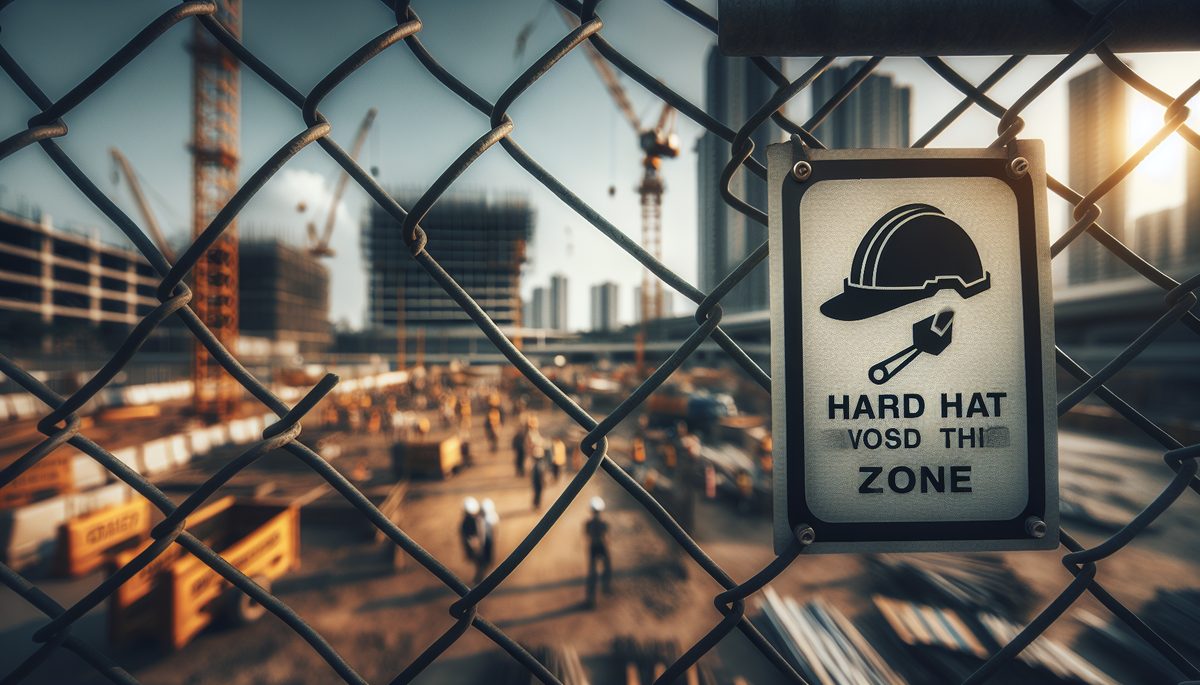
The I-85 corridor through Cabarrus County carries some of the heaviest traffic volumes in the Charlotte metropolitan area. The interchanges at Bruton Smith Boulevard, Poplar Tent Road, and George Liles Parkway handle a constant flow of semi-trucks, commuters, and motorsport event traffic. NCDOT has been reconstructing and widening these interchanges for years, and the workers performing that work operate in one of the most dangerous environments in the construction industry — active highway work zones.
Highway construction workers face struck-by risks from vehicles traveling at high speed despite reduced speed limits. Barrier walls and crash attenuators provide some protection, but work zones require frequent reconfiguration, and workers must enter unprotected areas to set up traffic control devices, move barriers, and perform survey work. The heavy equipment operating on these projects — earthmovers, asphalt pavers, bridge deck formwork — creates additional struck-by and crush hazards within the work zone itself.
Liability on NCDOT highway projects runs through the prime contractor, who holds the state contract and bears primary responsibility for work zone safety. Traffic control subcontractors who fail to properly set up signage, barriers, or flagging operations can be liable for struck-by incidents. Equipment operators from any subcontractor whose negligence injures another worker create third-party exposure. Even NCDOT itself may bear some responsibility if its traffic management plans were inadequate for the conditions, though claims against the state involve different procedural requirements than private claims.
Concord’s Multi-Contractor Sites and North Carolina’s Contributory Negligence Trap
North Carolina’s contributory negligence rule is uniquely dangerous on the kind of multi-contractor sites that are common in Concord. When a venue owner, a general contractor, and a half-dozen subcontractors all share a project site, the defense strategy in an injury case is to point fingers in every direction — including at the injured worker. Each defendant blames another, and all of them argue that the worker shares some fault. In a state where any worker fault can eliminate the entire claim, this finger-pointing is not just a negotiation tactic — it is a potentially case-ending strategy.
Defeating contributory negligence on a multi-party site requires evidence that specifically establishes who controlled the hazard. Security camera footage showing a GC superintendent walking past an unguarded floor opening without correcting it. A subcontractor’s daily log admitting they skipped fall protection installation to stay on schedule. An engineer’s email acknowledging a temporary structure design was not reviewed. This level of specific evidence is what separates successful claims from defeated ones in North Carolina. The deadline for filing a third-party claim is 3 years from the injury. Workers’ comp claims must be filed within 2 years.

Immediate Steps After a Construction Injury in Concord
Get to Atrium Health Cabarrus on Medical Park Drive in Concord or call 911 if the injury is severe. Report the accident to your supervisor and put it in writing — a text message or email creates a timestamp the employer cannot dispute. Photograph everything: the accident location, the equipment, the conditions, your injuries. Get contact information for every witness. Request copies of the daily safety report and the toolbox talk record for that day. Decline to give a recorded statement to any insurance company without legal representation.
How the Law Office of Ryan P. Duffy Helps Concord Construction Workers
Ryan evaluates construction accident cases throughout Cabarrus County at no cost. His background defending insurance companies before switching sides gives him a tactical advantage — he knows the playbook adjusters and defense firms use to minimize or deny claims, and he knows where their strategies have vulnerabilities. When the evidence supports a third-party claim, Ryan connects you with a construction litigation firm that focuses exclusively on these cases. You pay nothing for this referral. Ryan remains involved throughout, answering questions and making sure the case receives the aggressive representation it needs.
Frequently Asked Questions
Two different general contractors had workers on the same site. Who is liable if I get hurt?
When multiple prime contractors share a site — common in large venue and entertainment complex builds in Concord — each contractor is responsible for the safety hazards created by its own operations. If another GC’s crane operation dropped a load that injured you, that GC is a third party you can sue. If the property owner failed to coordinate safety between the two GCs, the property owner may also bear responsibility. Your own employer’s workers’ comp covers you regardless, but the third-party claim against the other GC or the owner is where the larger recovery lies.
I was injured when a temporary structure collapsed during an event venue build. Who is at fault?
Temporary structures like scaffolding, formwork, shoring towers, and temporary grandstands must be engineered for the loads they will carry. If the temporary structure was designed by an engineer, the engineer may be liable for a design error. If it was built by a subcontractor who deviated from the design or used damaged components, the subcontractor is liable. If the GC approved the structure without verifying it met specifications, the GC shares responsibility. Temporary structure collapses often involve multiple liable parties.
I was hurt during a night shift on a construction project. Does working at night affect my claim?
Night-shift injuries often strengthen third-party claims rather than weaken them. Inadequate lighting is a well-recognized construction hazard, and the party responsible for providing site lighting — typically the GC — can be liable for injuries caused by poor visibility. If you were required to work at night without adequate lighting, reflective signage, or illuminated walkways, those deficiencies are evidence of the GC’s negligence, not an assumption of risk on your part.
Need Legal Help? Free Case Evaluation
The Law Office of Ryan P. Duffy evaluates construction accident cases and connects you with the right specialist at no additional cost.
Call us at 704-741-9399 or contact us online to get started.
The information on this page is for general educational purposes and does not constitute legal advice. Every case is different. Past results do not guarantee future outcomes. Contact our office for a free consultation to discuss the specifics of your situation.
Related Pages
Explore nearby pages for this city and practice area.