North Carolina Nursing Home Abuse Attorney
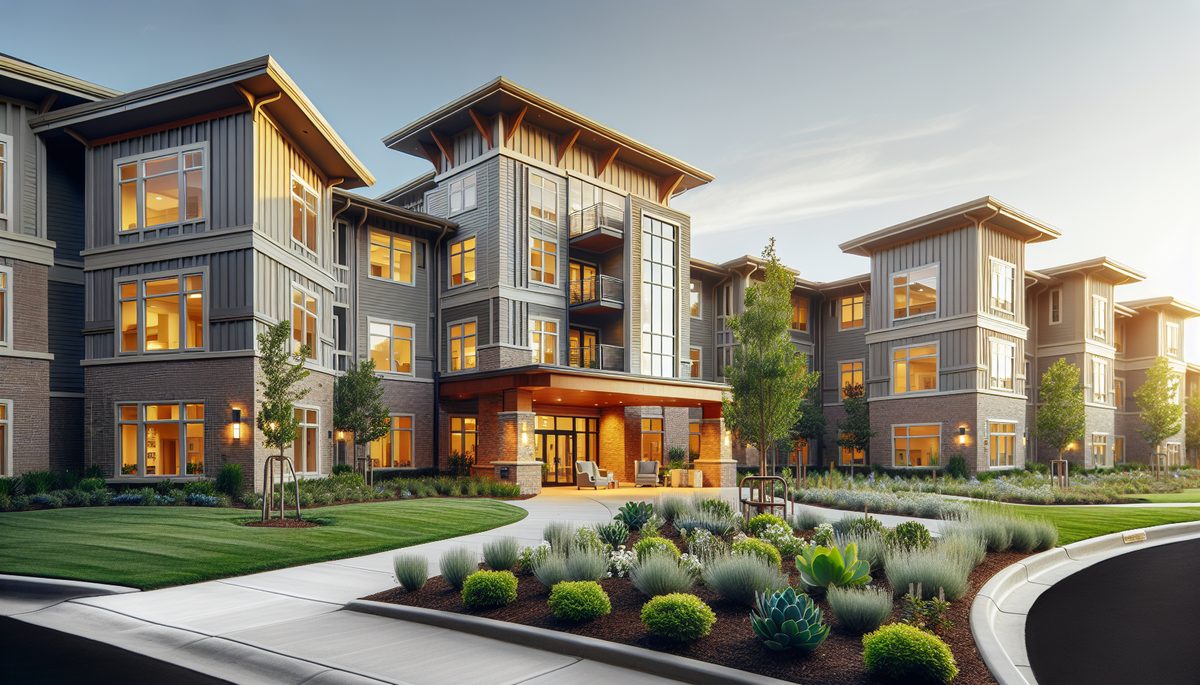
When you entrust the care of a parent, grandparent, or other loved one to a nursing home, you expect them to receive compassionate, professional care in a safe environment. Unfortunately, nursing home abuse and neglect are far more common in North Carolina than most families realize. When facilities cut corners on staffing, training, and supervision to increase profits, vulnerable residents suffer the consequences. Our firm holds negligent nursing homes accountable and fights to secure justice for victims of abuse and their families.
At The Law Office of Ryan P. Duffy, PLLC, Attorney Ryan P. Duffy represents families across North Carolina and South Carolina in elder neglect and neglect cases. We understand the anger, guilt, and confusion that families experience when they discover that a loved one has been mistreated in a facility they trusted. We handle these cases on a contingency fee basis, meaning you owe us nothing unless we recover compensation for your family. Every consultation is free and confidential.
Injured? Get a Free Case Evaluation Today.
The North Carolina Nursing Home Patients’ Bill of Rights
North Carolina law provides specific protections for residents of nursing homes and other long-term care facilities through the Patients’ Bill of Rights, codified at N.C. Gen. Stat. 131E-117. This statute establishes a comprehensive set of rights that every nursing home resident is entitled to, and facilities that violate these rights can be held civilly liable for damages.
Under the Patients’ Bill of Rights, every nursing home resident in North Carolina has the right to be treated with dignity and respect, to be free from mental and physical abuse, to be free from chemical and physical restraints except as authorized by a physician for a limited period, to receive adequate and appropriate care, to be informed of their medical condition and treatment plan, to privacy in treatment and personal care, to confidentiality of medical and personal records, to manage their own financial affairs, to voice grievances without fear of retaliation, and to be discharged or transferred only for appropriate reasons and with adequate notice. When a nursing home violates any of these statutory rights, the resident or their family may have a cause of action for damages. Our firm regularly invokes the Patients’ Bill of Rights as a basis for civil claims against negligent nursing home operators.
Types of Nursing Home Abuse in North Carolina
Facility mistreatment takes many forms, and families must be vigilant in watching for signs that their loved one is being mistreated. North Carolina law recognizes several distinct categories of resident harm, each with its own warning signs and legal implications.
Physical Abuse
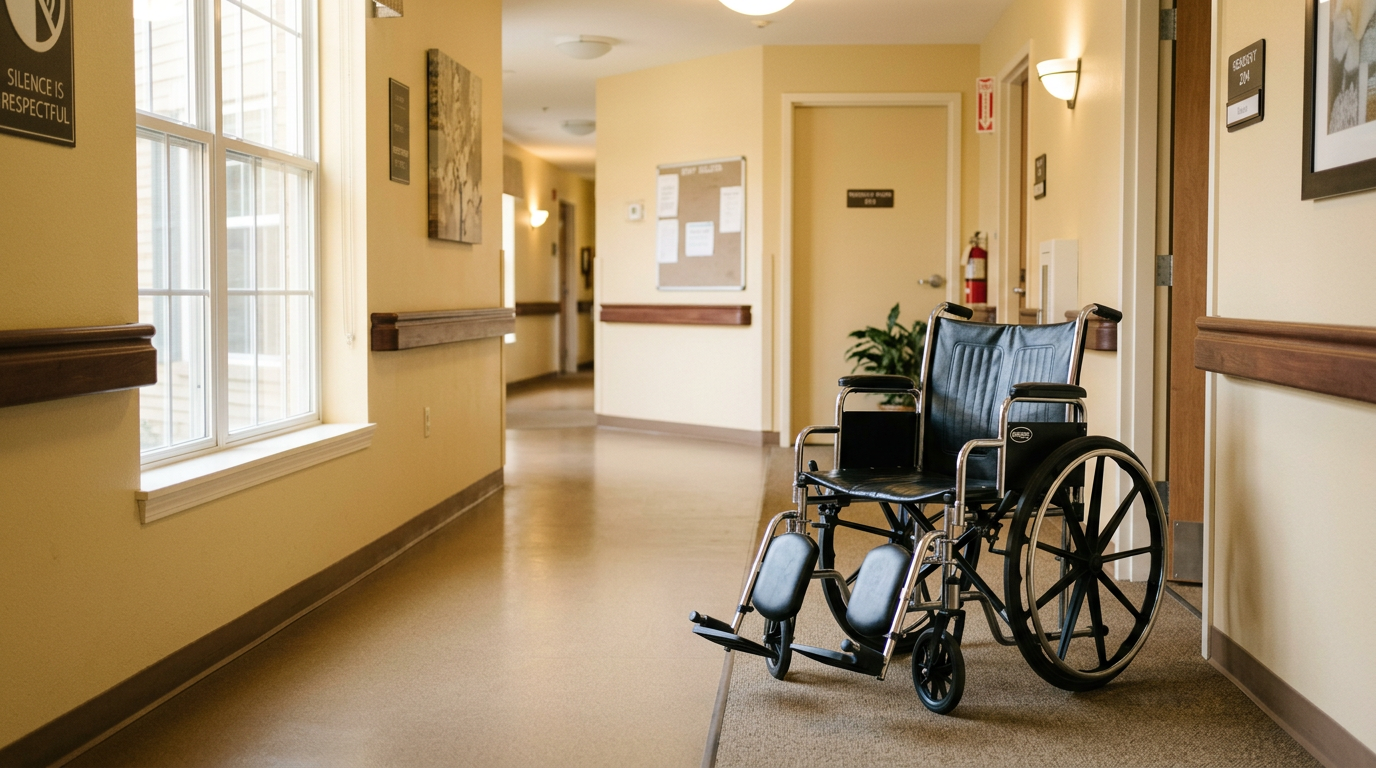
Physical abuse involves the intentional use of force against a nursing home resident that results in pain, injury, or impairment. This includes hitting, slapping, pushing, kicking, pinching, and the improper use of physical restraints. Staff members who are overworked, inadequately trained, or emotionally unfit for caregiving may take out their frustrations on helpless residents.
Warning signs of physical abuse include unexplained bruises, welts, or lacerations, especially in patterns suggesting grabbing or hitting. Broken bones or sprains without a clear explanation, burns from cigarettes or hot liquids, and signs of restraint use such as rope marks on wrists or ankles are all red flags. A resident who flinches at the approach of staff, appears frightened, or exhibits sudden behavioral changes may be experiencing physical abuse.
Emotional and Psychological Abuse
Emotional abuse involves verbal or nonverbal behavior that causes mental anguish, fear, or distress in a resident. This includes yelling, threatening, humiliating, intimidating, isolating, ignoring, or ridiculing a resident. While emotional abuse does not leave visible marks, its effects can be devastating, particularly for residents with dementia or cognitive impairments who may be unable to articulate what is happening to them.
Warning signs of emotional abuse include withdrawal from activities the resident previously enjoyed, unusual depression or anxiety, avoidance of eye contact, reluctance to speak openly in the presence of certain staff, changes in eating or sleeping patterns, and expressions of helplessness or hopelessness. Residents who are emotionally abused may exhibit rocking, sucking, or other self-soothing behaviors.
Sexual Abuse
Sexual abuse of nursing home residents is a deeply disturbing reality that occurs more frequently than reported. It includes any non-consensual sexual contact, such as unwanted touching, forced nudity, sexual assault, and coerced sexual activity. Residents with dementia or severe cognitive impairments are particularly vulnerable because they may be unable to consent to or report sexual contact.
Warning signs include unexplained bruising around the breasts, genital area, or inner thighs, torn or bloody undergarments, unexplained sexually transmitted infections, difficulty walking or sitting, and sudden changes in behavior such as increased agitation, withdrawal, or fear of being alone with specific caregivers. Any indication of sexual abuse should be reported immediately to law enforcement and Adult Protective Services.
Neglect
Neglect is the most common form of care facility abuse and occurs when a facility fails to provide the care, services, and supervision necessary to maintain a resident’s health, safety, and well-being. Neglect can be passive (resulting from understaffing, inadequate training, or institutional indifference) or active (a deliberate decision to withhold care). Regardless of the intent, the consequences for the resident can be severe and even fatal.
Common forms of neglect include failure to assist with eating and hydration (leading to malnutrition and dehydration), failure to reposition immobile residents (leading to bedsores), failure to administer medications properly, failure to maintain adequate hygiene (leaving residents in soiled clothing or bedding), failure to monitor residents at risk for falls, and failure to provide adequate supervision for residents with dementia who may wander into dangerous situations.
Financial Exploitation
Financial exploitation involves the unauthorized or improper use of a resident’s funds, property, or assets. This can include stealing personal belongings, forging signatures on financial documents, coercing changes to wills or powers of attorney, misusing joint accounts, charging for services not provided, and unauthorized use of a resident’s credit cards or bank accounts. Elderly residents with cognitive impairments are particularly susceptible to financial exploitation by caregivers or even fellow residents.
Warning signs include unexplained withdrawals from bank accounts, sudden changes in financial documents such as wills or powers of attorney, missing personal possessions, unpaid bills despite adequate financial resources, and a sudden appearance of new “friends” or advisors with financial interests. North Carolina law provides both criminal penalties and civil remedies for financial exploitation of older adults.
Injured? Get a Free Case Evaluation Today.
Financial abuse is another form of elder abuse that occurs in nursing home settings. This involves the unauthorized use of a resident’s money, property, or resources by nursing home staff or other individuals who have gained the resident’s trust.
Families should learn to recognize the signs of abuse early. Unexplained injuries, sudden behavioral changes, and reluctance to speak around certain caregivers may indicate that a loved one is suffering from neglect or abuse in their nursing home facility.
North Carolina Staffing Requirements for Nursing Facilities
Inadequate staffing is the root cause of most nursing home neglect. When facilities do not employ enough nurses and certified nursing assistants (CNAs) to properly care for their residents, the quality of care inevitably suffers. North Carolina has established minimum staffing requirements for nursing facilities through the NC Division of Health Service Regulation (DHSR) under the NC Department of Health and Human Services.
North Carolina regulations require nursing homes to have a licensed nurse on duty at all times and to maintain sufficient staff to meet the needs of residents. Federal regulations under 42 CFR 483.35 also require nursing facilities participating in Medicare and Medicaid to have sufficient nursing staff, including a registered nurse for at least 8 consecutive hours per day, 7 days a week, and a licensed nurse (RN or LPN) on duty 24 hours per day. Despite these requirements, many facilities operate with staffing levels far below what is needed to provide adequate care.
Research consistently shows a direct correlation between staffing levels and quality of care. Facilities with higher staff-to-resident ratios have lower rates of bedsores, falls, infections, weight loss, and hospitalizations. When evaluating a long-term care negligence case, one of the first things our firm examines is the facility’s staffing data. If the facility was understaffed at the time of the incident, that understaffing is strong evidence of systemic negligence.

CMS Deficiency Reports and State Inspections
The Centers for Medicare and Medicaid Services (CMS) requires annual surveys (inspections) of all nursing homes that participate in Medicare or Medicaid. These surveys are conducted by state survey agencies, and in North Carolina, the Division of Health Service Regulation performs these inspections. When surveyors identify problems, they issue deficiency citations that are documented in publicly available reports.
Deficiency citations are classified by scope and severity. The most serious deficiencies involve “immediate jeopardy,” meaning that the facility’s noncompliance has caused or is likely to cause serious injury, harm, impairment, or death to a resident. Other deficiency categories include “actual harm” (the resident was harmed but not in immediate jeopardy), “pattern” (the deficiency affects multiple residents), and “isolated” (the deficiency affects a single resident).
CMS deficiency reports are powerful evidence in nursing facility violations and neglect lawsuits. A history of repeated deficiency citations demonstrates that the facility knew about ongoing problems and failed to correct them. Our firm routinely obtains and analyzes CMS deficiency reports, state survey results, and complaint investigation records for the facilities involved in our cases. These records are publicly available through the CMS Nursing Home Compare website, and we use them to establish patterns of substandard care.
Reporting Nursing Home Abuse in North Carolina
North Carolina law imposes mandatory reporting obligations on certain individuals who suspect resident neglect. Under N.C. Gen. Stat. 108A-102, any person who has reasonable cause to believe that a disabled adult (including a nursing home resident) is in need of protective services due to abuse, neglect, or exploitation is required to report the situation to the county Department of Social Services (DSS). This mandatory reporting obligation applies to all persons, not just healthcare providers, although healthcare workers and facility staff have a heightened duty to report.
Reports can be made to the local county DSS, which administers Adult Protective Services (APS) in North Carolina. You can also file a complaint with the NC Division of Health Service Regulation, Complaint Intake Unit, which investigates allegations of abuse and neglect in licensed healthcare facilities. For emergencies or situations involving immediate danger, call 911.
North Carolina law protects reporters from civil and criminal liability when reports are made in good faith (N.C. Gen. Stat. 108A-102(c)). Conversely, any person who knowingly fails to report suspected abuse when required to do so may face criminal misdemeanor charges. If a nursing home retaliates against a reporter, whether the reporter is a staff member, family member, or the resident themselves, additional legal remedies may be available.
If you believe a loved one in a nursing home has been abused in a nursing home, contact our firm to discuss your elder care failures situation. We can evaluate whether you have a viable elder neglect case and guide you through the next steps.
Medical Malpractice vs. General Negligence in Nursing Home Cases
An important legal distinction in North Carolina nursing home cases is whether the claim sounds in medical malpractice or general negligence. This distinction matters because medical malpractice claims in North Carolina are subject to special procedural requirements under N.C. Gen. Stat. 1A-1, Rule 9(j), including the requirement that an attorney certify that the claim has been reviewed and approved by a medical expert before filing.
A claim qualifies as medical malpractice when the alleged negligence involves the provision of medical care, treatment, or diagnosis by a healthcare provider. For example, a claim that a nursing home physician prescribed the wrong medication, that a nurse failed to recognize signs of a heart attack, or that the facility provided substandard wound care for a bedsore would likely be classified as medical malpractice.
In contrast, a claim qualifies as general negligence when the alleged negligence involves non-medical care, such as the failure to prevent falls, the failure to provide adequate supervision, the failure to maintain safe premises, inadequate staffing levels, or the failure to properly screen and train employees. Many facility mistreatment cases involve both medical malpractice and general negligence theories, and our firm is experienced in handling claims under both frameworks.
Injured? Get a Free Case Evaluation Today.
Whether a case involves nursing home negligence or a more complex medical malpractice theory, our injury lawyers can help you determine the best course of action. Each case of negligence or abuse requires a careful review of the facts and applicable law.
Wrongful Death Claims Arising from Nursing Home Abuse
When resident harm or neglect causes the death of a resident, the resident’s family may bring a wrongful death claim under N.C. Gen. Stat. 28A-18-2. The wrongful death claim must be brought by the personal representative (executor or administrator) of the deceased resident’s estate, on behalf of the estate and the statutory beneficiaries (typically the surviving spouse, children, or parents).
Wrongful death damages in North Carolina include medical and funeral expenses, loss of the deceased’s income and services, compensation for the pain and suffering experienced by the deceased between the time of injury and death (known as a survival action), loss of companionship and consortium for the surviving spouse, and punitive damages if the defendant’s conduct was willful or wantonly negligent. There is no statutory cap on wrongful death damages in North Carolina for cases filed under the general wrongful death statute.
The statute of limitations for a wrongful death claim is two years from the date of death (N.C. Gen. Stat. 1-53). However, if the wrongful death claim also involves a medical malpractice theory, the medical malpractice statute of limitations may apply, which is generally three years from the date of the negligent act or one year from the date the injury was or should have been discovered, whichever is later (N.C. Gen. Stat. 1-15(c)).
While a wrongful death claim is distinct from a personal injury case, both types of claims may arise from the same incident of care facility abuse. Our personal injury lawyer team and neglect attorneys handle cases of abuse at every stage of the legal process, from investigation through trial.
The NC Unfair and Deceptive Trade Practices Act
One of the most powerful legal tools available in North Carolina nursing home cases is the Unfair and Deceptive Trade Practices Act (UDTPA), codified at N.C. Gen. Stat. 75-1.1. This statute prohibits unfair or deceptive acts or practices in or affecting commerce, and it applies to nursing homes that market their services to the public.
The key advantage of a UDTPA claim is the remedy: if a plaintiff proves a violation, the court is required to treble (triple) the damages awarded. This means that a jury verdict of $500,000 would automatically become $1,500,000 under the UDTPA. In addition, the prevailing plaintiff is entitled to recover reasonable attorneys’ fees.
In the nursing home context, UDTPA claims may be based on a facility’s deceptive marketing practices, such as advertising staffing levels, services, or amenities that the facility does not actually provide. If a nursing home’s marketing materials promise individualized care plans, 24-hour skilled nursing, engaging activities programs, or gourmet dining, and the facility consistently fails to deliver on these promises, the discrepancy between the promised and actual level of care can support a UDTPA claim. Our firm has successfully used UDTPA claims to significantly increase recoveries for long-term care negligence victims and their families.
Federal Nursing Home Regulations Under OBRA
The Omnibus Budget Reconciliation Act of 1987 (OBRA) established comprehensive federal standards for nursing homes that participate in Medicare and Medicaid. These standards, codified in 42 CFR Part 483, set minimum requirements for quality of care, residents’ rights, facility administration, and staffing. Virtually all nursing homes in North Carolina participate in Medicare and/or Medicaid and are therefore subject to these federal regulations.
Key OBRA requirements include the mandate that each resident receive care and services to attain or maintain the highest practicable physical, mental, and psychosocial well-being (42 CFR 483.25), the requirement for comprehensive resident assessments and individualized care plans, prohibitions on the use of unnecessary physical and chemical restraints, requirements for adequate staffing levels and staff training, and protections for residents’ rights to dignity, privacy, and freedom from abuse. Violations of OBRA requirements, as documented in CMS survey deficiency reports, are valuable evidence in nursing facility violations and neglect lawsuits.
Arbitration Clauses in Nursing Home Admission Agreements
Many nursing homes include mandatory arbitration clauses in their admission agreements. These clauses attempt to force disputes into private arbitration rather than allowing families to file lawsuits in court with a jury trial. Arbitration can be disadvantageous for plaintiffs because arbitrators tend to make smaller awards than juries, there is limited discovery (the process of obtaining evidence), there is no right to appeal, and the proceedings are private, which means the facility avoids public accountability.
However, arbitration clauses are not always enforceable. North Carolina courts have invalidated nursing home arbitration clauses on several grounds. First, if the agreement was signed by a family member who did not have legal authority (such as a valid power of attorney) to waive the resident’s right to a jury trial, the clause may be unenforceable. Second, if the arbitration clause is unconscionable, meaning it is so one-sided as to be oppressive, a court may refuse to enforce it. Third, CMS issued a rule in 2016 prohibiting nursing homes from requiring residents to sign arbitration agreements as a condition of admission, though this rule has been subject to legal challenges.
Our firm carefully reviews all admission agreements and arbitration clauses to determine whether they can be challenged. In many cases, we have successfully defeated arbitration clauses and preserved our clients’ right to a jury trial, which is a significant strategic advantage in resident neglect litigation.
Injured? Get a Free Case Evaluation Today.
Bedsores and Pressure Ulcers as Evidence of Neglect
Bedsores, also known as pressure ulcers or decubitus ulcers, are one of the most common and preventable injuries in nursing homes. They develop when sustained pressure on the skin reduces blood flow to the tissue, causing the tissue to break down and die. Bedsores most commonly develop on the sacrum (tailbone), heels, hips, elbows, and shoulder blades of immobile or bedbound residents.
Bedsores are classified by severity into four stages. Stage 1 involves reddened, intact skin that does not blanch when pressed. Stage 2 involves a shallow open wound or blister. Stage 3 involves a deep wound extending into the fat layer beneath the skin. Stage 4, the most severe, involves a deep wound exposing bone, muscle, or tendon. In the most extreme cases, bedsores become infected and can lead to sepsis, a life-threatening bloodstream infection that can cause organ failure and death.
The development of a Stage 3 or Stage 4 bedsore in a nursing home is widely regarded by medical experts as a strong indicator of neglect. Bedsores are largely preventable through proper nursing care, including regular repositioning of immobile residents (at least every two hours), adequate nutrition and hydration, proper skin care and hygiene, use of pressure-relieving mattresses and cushions, and regular skin assessments. When a nursing home allows a resident to develop a severe bedsore, it is typically evidence that the facility failed to provide the basic standard of care.
Falls and Fall Prevention in Nursing Homes
Falls are the leading cause of injury and injury-related death among nursing home residents. Federal regulations require nursing homes to assess each resident’s fall risk upon admission and to implement individualized fall prevention plans. These plans may include the use of bed alarms, chair alarms, non-slip footwear, assistive devices such as walkers and grab bars, lowered beds, adequate lighting, clear pathways, and one-on-one supervision for high-risk residents.
When a nursing home fails to conduct proper fall risk assessments, fails to implement a fall prevention plan, or fails to follow the plan that is in place, and a resident is injured in a fall, the facility may be liable for negligence. Falls can cause hip fractures (which are often life-threatening for elderly residents), traumatic brain injuries, spinal cord injuries, and other serious harm. Our firm investigates the circumstances of each fall, reviews the facility’s fall prevention protocols, and determines whether the facility’s negligence contributed to the incident.
Medication Errors in Nursing Homes
Medication errors are alarmingly common in nursing facilities and can have serious or fatal consequences. Types of medication errors include administering the wrong medication, administering the wrong dose, administering medication at the wrong time, administering medication to the wrong resident, failing to administer prescribed medication, and failing to monitor for adverse drug interactions or side effects.
Nursing homes are required to maintain accurate medication administration records (MARs) and to have systems in place to prevent medication errors. When errors occur, they are often the result of understaffing (nurses responsible for too many residents), inadequate training, poor communication between physicians and nursing staff, and lack of pharmacist oversight. Medication errors can cause overdoses, allergic reactions, organ damage, dangerous drug interactions, and death.
Elopement and Wandering Incidents
Elopement occurs when a cognitively impaired resident leaves the nursing home facility without the knowledge or authorization of staff. Residents with Alzheimer’s disease and other forms of dementia are at high risk for wandering and elopement. When an unsupervised resident wanders out of the facility, they face dangers including exposure to extreme weather, traffic accidents, drowning, falls, and becoming lost.
Nursing homes are required to assess residents’ elopement risk and to implement appropriate safeguards, including secured units for residents with dementia, door alarms and wander guard systems, adequate supervision and monitoring, and individualized care plans addressing the resident’s tendency to wander. When a facility fails to implement appropriate safeguards and a resident elopes and is harmed, the facility can be held liable for negligence. Elopement incidents that result in death give rise to wrongful death claims.
Understaffing as the Root Cause of Nursing Home Neglect
Insufficient staffing is the single most significant factor contributing to nursing home neglect and abuse. When facilities do not employ enough nurses and CNAs, each staff member is responsible for too many residents, leading to rushed care, skipped tasks, delayed responses to call lights, and inadequate supervision. The consequences of understaffing manifest as bedsores, falls, medication errors, dehydration, malnutrition, infections, and elopement incidents.
Corporate-owned nursing home chains are particularly prone to understaffing because their business model prioritizes profit margins over resident care. Corporate management sets staffing budgets that local administrators must follow, even when those budgets are insufficient to provide adequate care. When staffing-related neglect occurs, our firm investigates not only the actions of the individual caregivers but also the corporate decisions that created the conditions for neglect. This approach can expose the corporate chain’s liability and significantly increase the available recovery for our clients.
If someone you know has suffered nursing home neglect due to understaffing, you should report the abuse to the North Carolina Division of Health Service Regulation. An experienced elder care failures attorney can help you navigate the process while protecting your family member’s rights.
Corporate Chain Nursing Home Liability
A growing proportion of nursing homes in North Carolina are owned and operated by large corporate chains. These chains often use complex corporate structures involving multiple layers of holding companies, management companies, and real estate entities to shield assets from liability. When a resident is harmed by abuse or neglect at a corporate-owned facility, our firm works to pierce through these corporate layers and hold the parent company and its management entities accountable.
Corporate chain liability can be established by showing that the parent company or management entity controlled the staffing levels, budgets, policies, and operations of the facility in a manner that caused or contributed to the abuse or neglect. Evidence may include corporate staffing mandates that resulted in inadequate staffing, corporate budget constraints that prevented the facility from purchasing necessary supplies or equipment, corporate policies that prioritized occupancy rates over resident safety, and a pattern of deficiency citations across multiple facilities in the chain. By pursuing corporate chain liability, we can access deeper pockets and larger insurance policies, which translates to greater potential recovery for our clients.
Injured? Get a Free Case Evaluation Today.
Filing a elder neglect lawsuit against a corporate chain often uncovers systemic problems. Our attorneys and staff work closely with each victim of facility mistreatment to document patterns of understaffing and cost-cutting that put many nursing home residents at risk.
South Carolina Nursing Home Law Differences
Because Attorney Ryan P. Duffy is dual-licensed in North Carolina and South Carolina, our firm is well positioned to handle resident harm cases in both states. There are several important differences between NC and SC nursing home law that can affect the strategy and outcome of a case.
South Carolina follows a modified comparative negligence rule (S.C. Code 15-38-15), which is more favorable to plaintiffs than North Carolina’s strict contributory negligence doctrine. Under South Carolina’s rule, a plaintiff can recover damages even if they were partially at fault, as long as their fault does not exceed 50%. South Carolina also has its own version of the UDTPA (S.C. Code 39-5-20) that may provide for treble damages in nursing home cases involving deceptive practices.
South Carolina’s statute of limitations for care facility abuse claims is generally three years from the date of the injury (S.C. Code 15-3-530), and for wrongful death, three years from the date of death (S.C. Code 15-3-530(6)). South Carolina has enacted specific nursing home resident rights legislation (S.C. Code 44-81-40) that parallels but differs in certain respects from North Carolina’s Patients’ Bill of Rights. Our dual-state practice allows us to evaluate which jurisdiction’s laws provide the strongest path to recovery for families affected by long-term care negligence in the Charlotte metro area and beyond.

How to Investigate a Nursing Home Before Admission
Families considering a nursing home for a loved one should conduct thorough research before making a decision. Start by reviewing the facility’s CMS star ratings and deficiency history on the Medicare Nursing Home Compare website. Look at staffing data, which is also reported to CMS. Request a tour of the facility and visit at different times of day, including evenings and weekends when staffing may be reduced. Talk to current residents and their family members if possible. Check with the NC Division of Health Service Regulation for complaint histories. Review the facility’s most recent state survey report, which is required to be posted in the facility.
If your loved one is already in a facility and you suspect abuse or neglect, document everything. Take photographs of any injuries, unsanitary conditions, or unsafe situations. Keep a journal of your observations, including dates, times, and the names of staff members present. Request copies of your loved one’s medical records, care plans, and medication administration records. Report your concerns to the facility’s administration in writing, and file a complaint with the NC DHSR Complaint Intake Unit and your local DSS Adult Protective Services office. Most importantly, consult with an attorney experienced in nursing home litigation to understand your legal options.
Explore Our Other Practice Areas
The Law Office of Ryan P. Duffy represents injured victims across North Carolina and South Carolina in a wide range of personal injury and wrongful death cases. Beyond nursing facility violations, we can help with:
- Construction Accident Attorney
- Wrongful Death Attorney
- Pedestrian Accident Attorney
- Drunk Driving Accident Attorney
- Rear-End Accident Attorney
- Dog Bite Injury Attorney
Every case starts with a free consultation. Call (704) 741-9399 or contact us online to discuss your situation.

Frequently Asked Questions About Nursing Home Abuse in North Carolina
What Are the Signs of Nursing Home Abuse?
Warning signs vary by the type of abuse. For physical abuse, look for unexplained bruises, welts, broken bones, or burns, especially in patterns suggesting grabbing or hitting. For emotional abuse, watch for withdrawal, depression, fearfulness, or reluctance to speak around certain staff. For neglect, warning signs include sudden weight loss, dehydration, bedsores, unsanitary living conditions, soiled clothing or bedding, and unkempt appearance. For financial exploitation, look for unexplained bank withdrawals, missing personal items, or sudden changes to financial documents. Any unexplained change in your loved one’s physical condition, behavior, or emotional state warrants investigation.
How Do I Report Nursing Home Abuse in North Carolina?
You can report suspected resident neglect through several channels. Contact your county Department of Social Services (DSS) to file a report with Adult Protective Services (APS). You can also file a complaint with the NC Division of Health Service Regulation (DHSR) Complaint Intake Unit at 1-800-624-3004. For situations involving immediate danger or a crime, call 911. Under N.C. Gen. Stat. 108A-102, all persons who have reasonable cause to believe a disabled adult is being abused, neglected, or exploited are required to report. North Carolina law protects reporters who act in good faith from civil and criminal liability.
Can I Sue a Nursing Home for Neglect?
Yes. Nursing homes in North Carolina can be sued for negligence when they fail to provide the standard of care required by law. A negligence lawsuit can seek compensation for medical expenses, pain and suffering, emotional distress, and other damages. Depending on the facts, your claim may be based on general negligence, medical malpractice, violations of the NC Patients’ Bill of Rights (N.C. Gen. Stat. 131E-117), or the NC Unfair and Deceptive Trade Practices Act (N.C. Gen. Stat. 75-1.1), which provides for treble (triple) damages. Our firm evaluates each case to determine the strongest legal theories available.
What Is the Statute of Limitations for Nursing Home Abuse in North Carolina?
The statute of limitations depends on the type of claim. For general negligence claims, the deadline is three years from the date of injury (N.C. Gen. Stat. 1-52). For medical malpractice claims, it is generally three years from the date of the negligent act or one year from the discovery of the injury, whichever is later (N.C. Gen. Stat. 1-15(c)). For wrongful death claims, the deadline is two years from the date of death (N.C. Gen. Stat. 1-53). Because different claims have different deadlines, it is important to consult with an attorney as soon as you suspect abuse or neglect.
What Damages Can I Recover in a Nursing Home Abuse Case?
Damages in a elder care failures case may include past and future medical expenses, pain and suffering, emotional distress, loss of enjoyment of life, and in fatal cases, wrongful death damages including funeral expenses, loss of companionship, and the deceased’s pain and suffering before death. If a UDTPA claim is proven, the damages are automatically tripled. Punitive damages may also be available if the nursing home’s conduct was willful or wantonly negligent. Our firm thoroughly evaluates all available damage theories to maximize recovery for our clients.
Are Nursing Homes Liable for Bedsores?
Bedsores (pressure ulcers) are largely preventable with proper nursing care, including regular repositioning, adequate nutrition and hydration, proper skin care, and pressure-relieving devices. The development of a Stage 3 or Stage 4 bedsore in a nursing home is widely regarded by medical experts as evidence of neglect. If your loved one developed a serious bedsore in a nursing home, the facility may be liable for failing to provide the basic standard of care. Our firm works with medical experts to establish that the bedsore was preventable and resulted from the facility’s negligence.
What If My Loved One Signed an Arbitration Agreement?
Many nursing home admission agreements contain arbitration clauses that attempt to prevent families from filing lawsuits. However, these clauses are not always enforceable. North Carolina courts have invalidated arbitration clauses when they were signed by a person without proper legal authority, when they are unconscionable, or when they violate federal regulations. CMS has also issued rules limiting the use of mandatory arbitration in nursing home admission agreements. Our firm reviews all admission agreements and arbitration clauses and challenges them when possible to preserve your right to a jury trial.
How Do I Get Inspection Reports for a North Carolina Nursing Home?
Nursing home inspection reports are publicly available through several sources. The CMS Medicare Nursing Home Compare website (medicare.gov/care-compare) provides star ratings, deficiency citations, staffing data, and health inspection results. You can also request inspection reports and complaint investigation records from the NC Division of Health Service Regulation. Nursing homes are required by law to post their most recent survey results in a publicly accessible area of the facility. Our firm routinely obtains and analyzes these records as part of our case investigations.
Can I File a Wrongful Death Claim If My Loved One Died from Nursing Home Neglect?
Yes. Under N.C. Gen. Stat. 28A-18-2, a wrongful death claim can be filed when a nursing home’s abuse or neglect causes the death of a resident. The claim must be brought by the personal representative of the deceased resident’s estate. Wrongful death damages include medical and funeral expenses, loss of income and services, the deceased’s pain and suffering before death, loss of companionship for surviving family members, and punitive damages if the conduct was willful or wantonly negligent. The statute of limitations for wrongful death is two years from the date of death.
What Is the North Carolina Patients’ Bill of Rights?
The NC Patients’ Bill of Rights (N.C. Gen. Stat. 131E-117) establishes specific rights for nursing home residents, including the right to be treated with dignity and respect, the right to be free from abuse and unnecessary restraints, the right to receive adequate and appropriate care, the right to privacy and confidentiality, the right to manage personal financial affairs, the right to voice grievances without retaliation, and the right to proper discharge and transfer procedures. Violations of these statutory rights can form the basis of a civil lawsuit against the facility.
Is Understaffing Considered Nursing Home Abuse?
While understaffing itself may not constitute “abuse” in the traditional sense, it is a primary cause of nursing home neglect. When facilities do not employ enough nurses and CNAs, residents do not receive the care they need, leading to bedsores, falls, medication errors, dehydration, malnutrition, and other forms of neglect. Federal regulations require nursing homes to maintain sufficient staff to meet residents’ needs. A facility that consistently operates below adequate staffing levels may be liable for negligence when residents are harmed as a result. Our firm investigates staffing levels and connects understaffing to specific instances of harm.
What Should I Do If I Suspect Nursing Home Abuse?
First, ensure your loved one’s immediate safety. If they are in immediate danger, call 911. Document everything: take photographs of injuries or unsanitary conditions, keep a journal of your observations with dates and details, and request copies of medical records. Report your concerns to the facility administration in writing. File a complaint with Adult Protective Services through your county DSS and with the NC Division of Health Service Regulation Complaint Intake Unit at 1-800-624-3004. Consult with a elder neglect attorney who can advise you on your legal options and begin preserving evidence. Acting quickly is important because conditions change and evidence can be lost.
Get the Compensation You Deserve
Free consultation. No fee unless we win your case.